01
Purpose
Decide whether the year is mainly about travel, work, study, volunteering, language, rest or a deliberate combination.

Gap year planning guide
Gap year planning guide
A strong gap year plan gives deadlines, budgets and essential bookings a clear home without pretending you can predict every friendship, delay or change of direction.
A useful plan begins with decisions that affect everything else. It does not begin with a list of attractions.
Decide whether the year is mainly about travel, work, study, volunteering, language, rest or a deliberate combination.
Set your earliest start, latest return and immovable commitments such as programme, university or job dates.
Divide the year into destinations or phases that can move independently when plans change.
Build a realistic working budget and keep an emergency reserve separate from everyday spending.
Check passport, visa, working, study, insurance and health requirements with current official sources.
Agree how you will store documents, access emergency money and update a trusted person while away.
Write three outcomes you would value by the end of the year. Make them specific enough to guide decisions but broad enough to allow different routes.
Examples: hold a conversation in Spanish, complete three months of paid work, travel slowly through two regions, or become more confident travelling alone.
Decide whether the year will be structured, independent or mixed. A structured programme offers support; independent travel offers freedom; a mixed year can provide both.
Group the year into phases. Give each chapter a purpose, approximate window and decision deadline rather than fixing every day.
Compare climate, cost, entry rules, programme dates and transport. Remove routes that do not work before spending time perfecting them.
Estimate pre-departure costs, transport, accommodation, food, activities, visas, insurance and equipment. Add a contingency and a separate emergency fund.
Confirm passport validity, entry and working rules, insurance cover, vaccinations, medication and current destination advice.
Secure only the items that are time-sensitive, limited or essential: programmes, visas, long-haul transport and the first nights after arrival.
Set decision points for the flexible middle. Record the budget, weather, energy or visa conditions that will determine the next chapter.
Store secure copies of important documents, agree an update rhythm and make sure a trusted person knows how to help in an emergency.
Choose how you will note route changes, keep photographs organised and preserve the context of each chapter while it is still fresh.
Treat this as a sequence, not a universal deadline. Passport, programme, visa and health lead times vary.
When
When
When
When
When
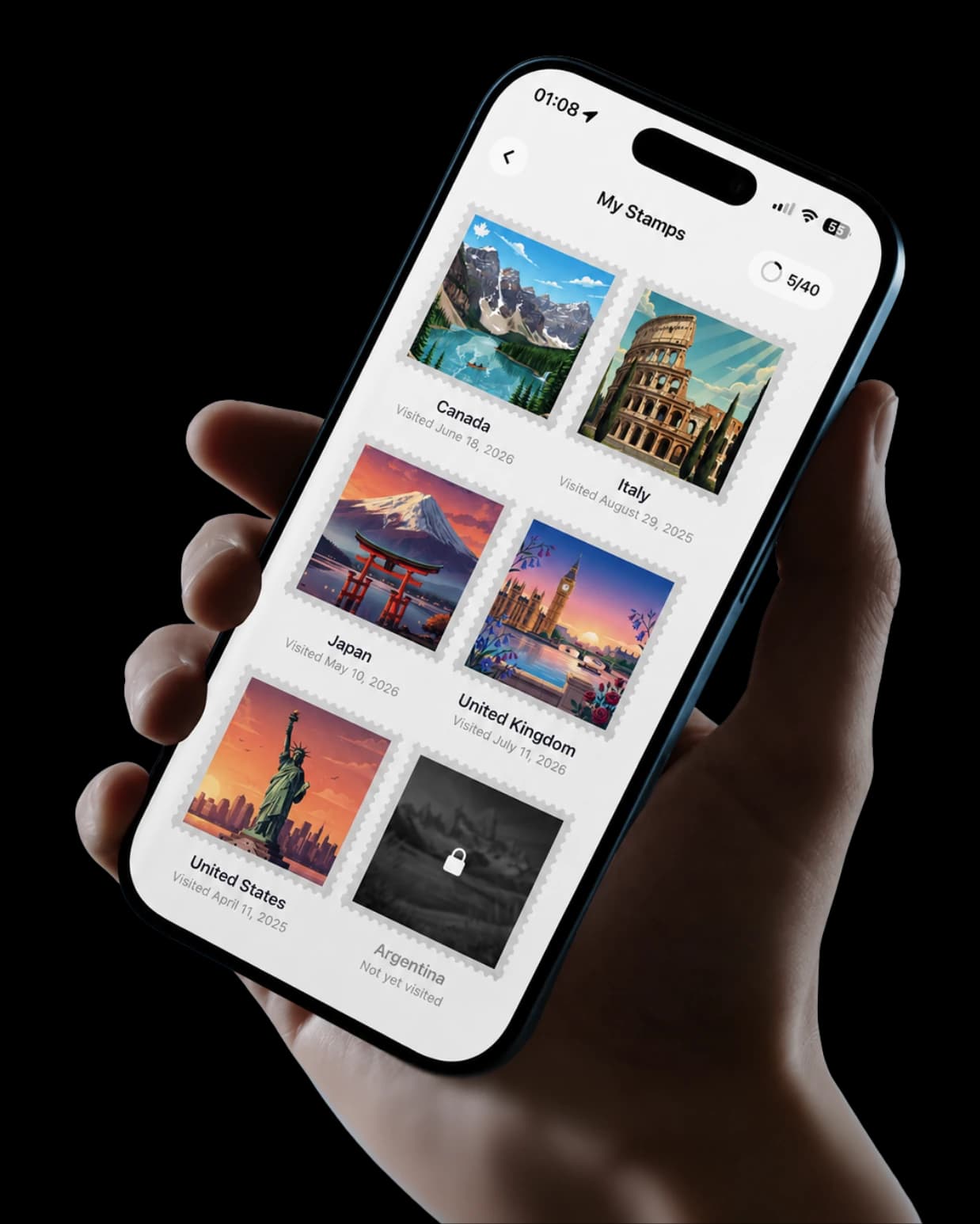
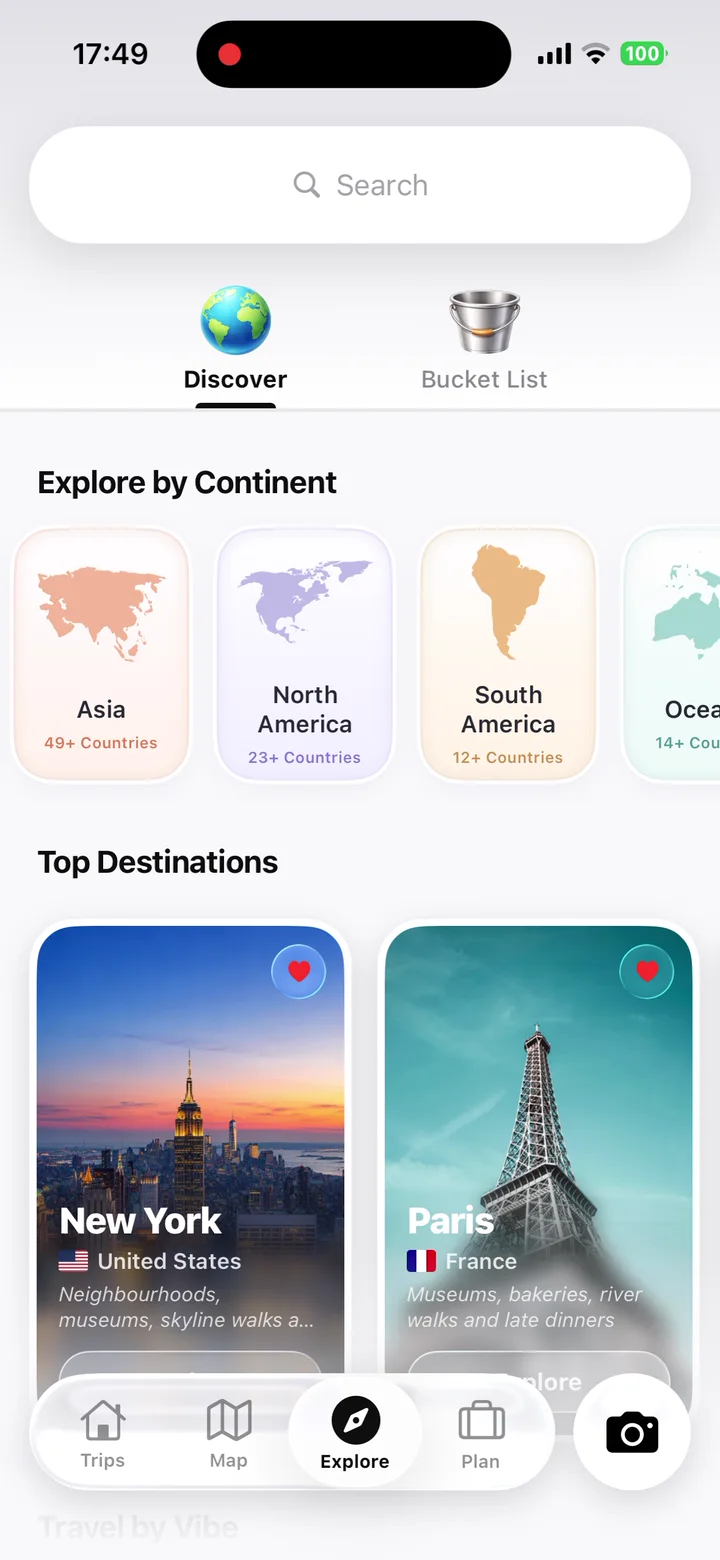
One app. Your entire trip.
Labelling each decision prevents ideas from quietly turning into commitments.
Status
Status
Status
Use a dedicated tool for each planning job rather than forcing one document to do everything.
Organise goals, chapters, fixed dates, requirements and decision points.
Open resource →Build the complete cost picture and protect the emergency reserve.
Open resource →Pack for climate changes, repeated use and limited carrying capacity.
Open resource →Nine to twelve months is a useful starting point for setting goals, researching routes and saving. Programmes, working-holiday visas and health requirements can have long lead times, but the correct timing depends on your passport, destinations and type of year.
Fix the parts that have deadlines or serious consequences: passports, visas, insurance, programme dates, essential transport and your first nights. Keep ordinary days and optional destinations flexible so the plan can respond to cost, weather, energy and new opportunities.
Include the purpose of the year, earliest and latest dates, fixed commitments, destination chapters, budget, emergency fund, entry requirements, insurance, health preparation, key bookings, communication plan and a method for recording changes.
Yes. Plan in chapters and decision points. You might commit to the first country and a working-holiday start date, then keep the middle of the year as a shortlist with budget and seasonal constraints.
Use the official immigration or embassy website for every destination and the current travel and health guidance published by your government or recognised national health authority. Do not rely on a travel app or old blog post as the final authority.
Save the possibilities, shape each chapter, then keep the places, people and stories together.
Travellers are using TripMemo to organise the camera roll, write down the details and give every journey a home they can return to.
Turn travel photos into books you'll actually look back on.

.webp&w=96&q=75&dpl=dpl_GFCXPAUSRaYiumwC2uxyqbjtXpnB)


%20copy%202.webp&w=384&q=75&dpl=dpl_GFCXPAUSRaYiumwC2uxyqbjtXpnB)
%20copy%203.webp&w=384&q=75&dpl=dpl_GFCXPAUSRaYiumwC2uxyqbjtXpnB)