01
Pre-departure
Passport, visas, insurance, health preparation, equipment, programme deposits and initial bookings.

Gap year budget guide
Gap year budget guide
A useful gap year budget separates preparation, major transport, everyday living and emergency money. That makes it easier to change the route without losing sight of what the rest of the year still needs.
One total number is difficult to manage. Four separate layers show what is available, what is committed and what must remain untouched.
Passport, visas, insurance, health preparation, equipment, programme deposits and initial bookings.
Long-haul flights, inter-country trains, ferries and any route-defining journeys.
Accommodation, food, local transport, activities, laundry, connectivity and ordinary life.
Money separated from the spending budget for serious unplanned costs and safe changes of plan.
Costs that appear small individually can reshape a year when they repeat for months.
Nightly stays, deposits, cleaning fees, occasional private rooms and accommodation during work searches.
Groceries, meals out, transport-day food, dietary needs and safe drinking water where relevant.
Flights, buses, trains, ferries, local transit, transfers, luggage charges and unavoidable last-minute changes.
Entry permissions, working documents, passport costs, required evidence and official application fees.
Advice, vaccinations, prescriptions, medication storage, dental preparation and costs not covered by insurance.
Cover appropriate to the duration, destinations, activities, work and belongings involved in your plan.
Luggage, footwear, clothing, adapters, safety items and replacement of essential gear.
Tours, social spending, laundry, SIMs, subscriptions, gifts, fees and the experiences the year is for.
Estimate each phase separately because costs, transport and earning potential can change dramatically across the year.
Budget line
Budget line
Budget line
Budget line
Budget line
Budget line
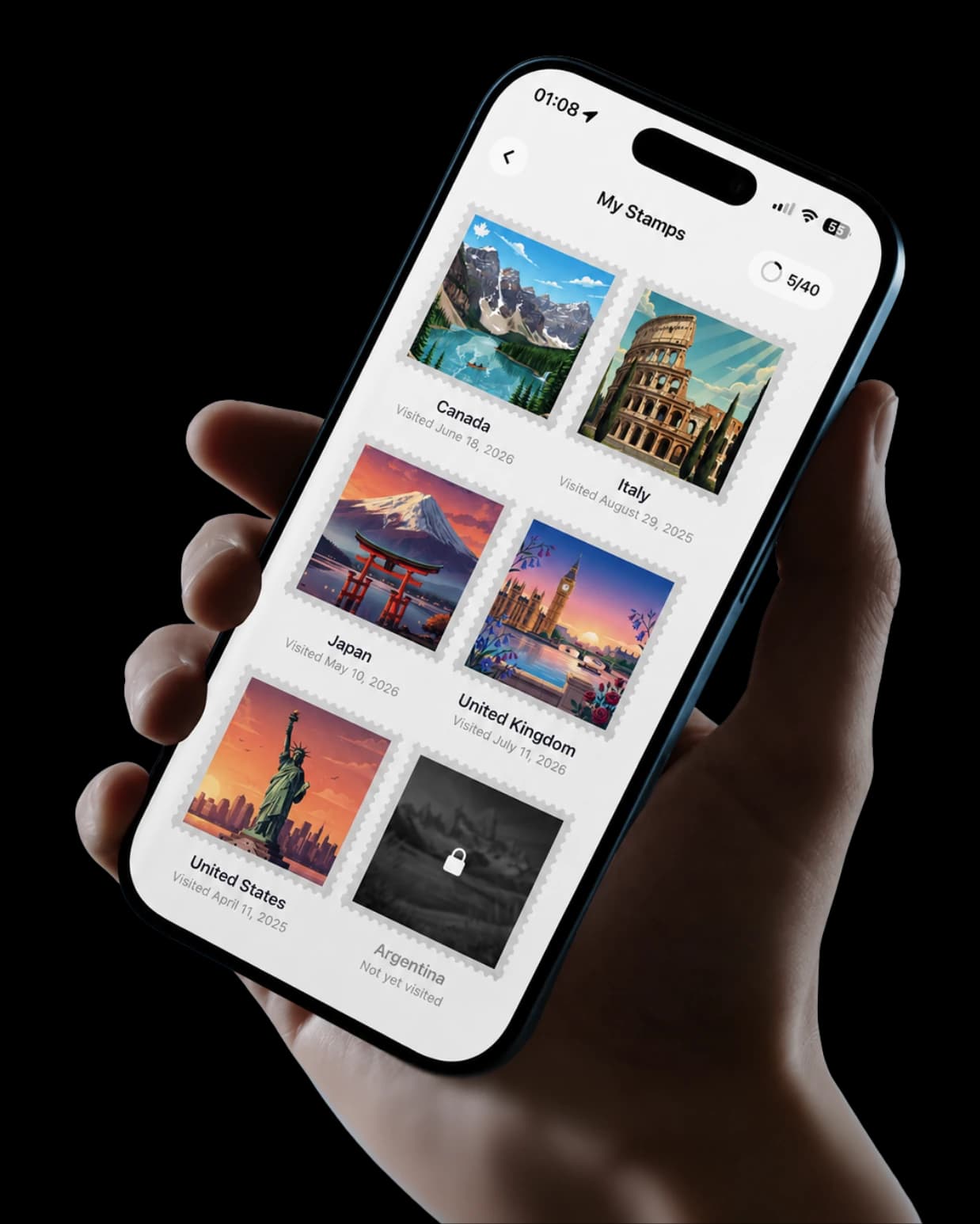
One app. Your entire trip.
The largest savings usually come from the structure of the year, not from eliminating every small pleasure.
Moving less often can reduce transport costs and make weekly or monthly accommodation options possible.
Seasonality affects transport and accommodation. A route that looks logical on a map may be expensive at the wrong time.
Plan where dorms, shared rooms, work exchanges or longer stays are realistic, and where privacy is worth budgeting for.
Fund the experiences that define the year first. Do not let unplanned daily spending quietly remove them.
Treat future earnings cautiously until your work rights, timing and likely start-up period are clear.
Reforecast at each chapter boundary and change the next chapter before the budget becomes a crisis.
A budget becomes useful when it can change the route before the money is spent.
Set the available amount, major transport and non-negotiable experiences.
Compare actual spending with the remaining days without obsessing over every small purchase.
Update the next chapter’s duration, destination or accommodation plan.
TripMemo can keep the route and day plans organised, but it is not a bank, financial adviser, booking service or live price source.
There is no reliable universal figure. The total depends on destinations, duration, travel speed, accommodation, activities, visas, insurance, transport and whether you work or join a programme. Build the estimate from your actual chapters rather than starting with a global average.
The right amount depends on your insurance, route and access to support. It should be separate from ordinary spending and large enough to handle a serious unplanned cost such as changed transport, temporary accommodation, replacing an essential item or reaching appropriate help.
Keep major inter-country transport separate from the daily budget. Otherwise an apparently affordable daily figure can hide the largest costs of the year. Track pre-trip, major transport, daily living and emergency money as separate layers.
Review it at least at the end of each country or major chapter. Compare actual spending with the remaining plan, then adjust the next chapter rather than waiting until the final months.
Potentially, but do not assume future earnings are guaranteed. Confirm your legal right to work, local conditions and likely start-up costs. Keep enough money to support the initial period and a safe alternative if work takes longer to find.
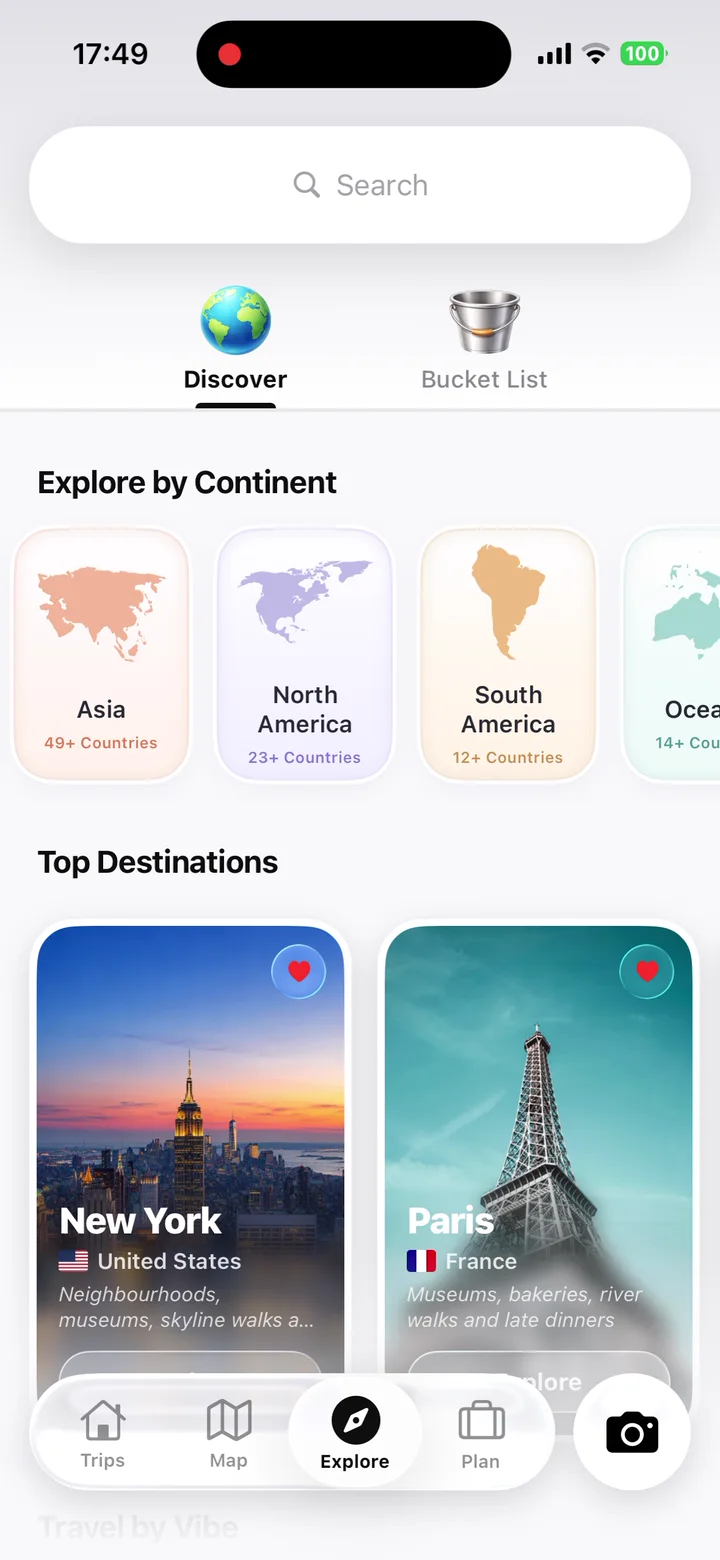
Save the possibilities, shape each chapter, then keep the places, people and stories together.
Travellers are using TripMemo to organise the camera roll, write down the details and give every journey a home they can return to.
Turn travel photos into books you'll actually look back on.

.webp&w=96&q=75&dpl=dpl_GFCXPAUSRaYiumwC2uxyqbjtXpnB)


%20copy%202.webp&w=384&q=75&dpl=dpl_GFCXPAUSRaYiumwC2uxyqbjtXpnB)
%20copy%203.webp&w=384&q=75&dpl=dpl_GFCXPAUSRaYiumwC2uxyqbjtXpnB)