01
A sustainable rhythm
Capture one moment while it is fresh. Save longer reflections for a quiet train, rest day or the end of a chapter.
Gap year journaling guide
Gap year journaling guide
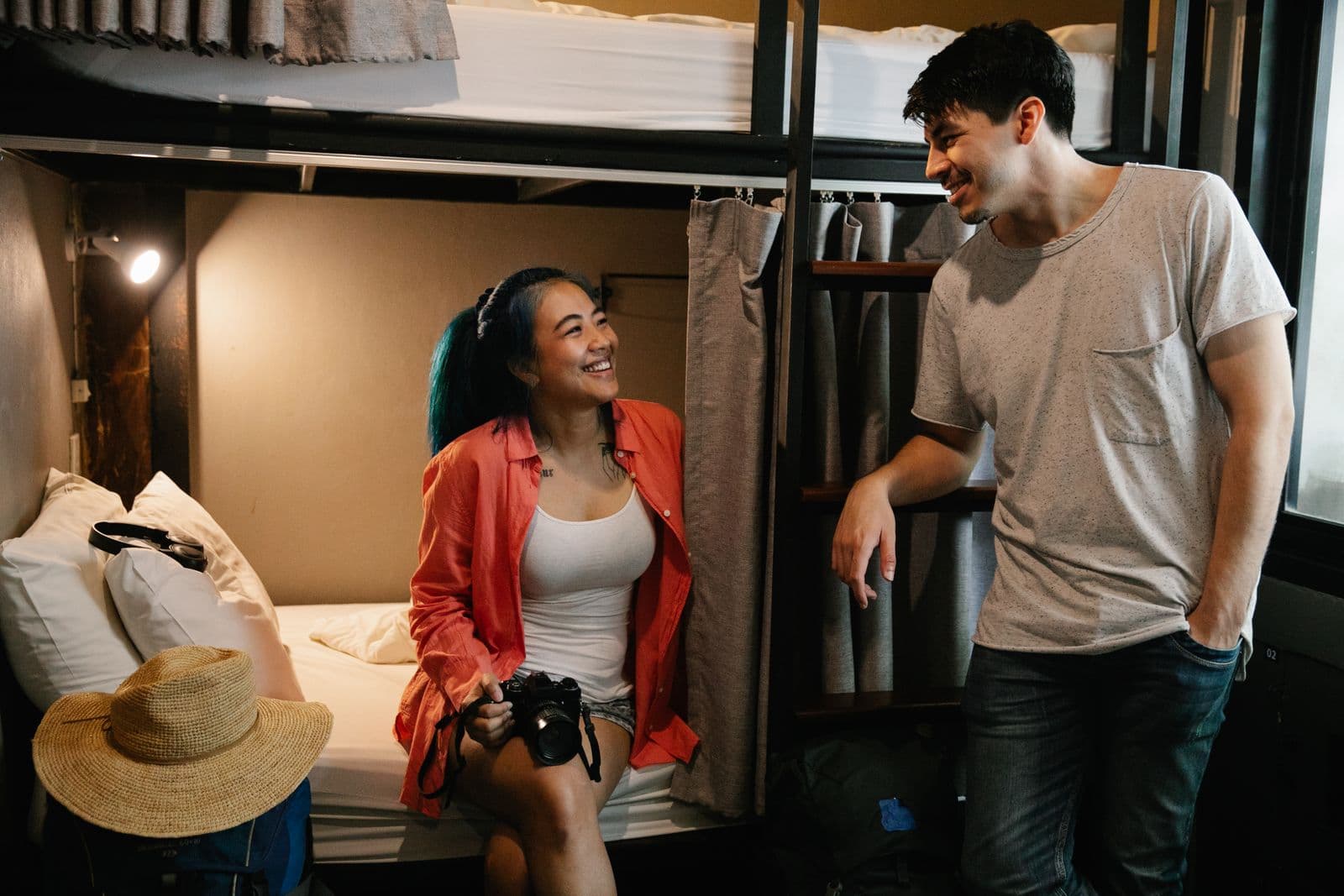
A useful gap year journal is not a daily writing assignment. It is a light, repeatable way to keep the people, ordinary routines and changing plans that photographs cannot explain on their own.
The best entries preserve context. They connect an image to a person, a place to a feeling and a changed plan to the story that followed.
Capture one moment while it is fresh. Save longer reflections for a quiet train, rest day or the end of a chapter.
Add the name of the street, hostel, café or person while you can still remember why the photograph mattered.
Record where a story happened, but do not reduce the journey to pins. Include sounds, routines, weather and small surprises.
Write down names and the circumstances in which you met. Those details fade faster than photographs suggest.
Use the language you actually use. A quick honest sentence will feel more real later than a polished travel-blog paragraph.
Divide the year by country, placement, semester or travel leg so months of memories remain easy to browse.
Use three levels of detail. This prevents busy weeks from turning into permanent gaps.
Save one photo, one place and one sentence: what happened that you would not want to forget?
Example: “Missed the last bus in Luang Prabang and shared a tuk-tuk with Maya and Jo from the hostel.”
Scan the last seven days of photographs. Add names, captions and the two or three stories that explain the week.
At the end of a country, month or programme, write what changed, what challenged you and what you want to carry into the next leg.
Fill only the important gaps. Remove duplicates, correct place names and add context while the journey still feels close.
One app. Your entire trip.
The ordinary details often become the strongest memory cues because they recreate what daily life actually felt like.
Breakfast rituals, laundry days, night buses, supermarket discoveries and the walk back to your room.
Names, jokes, advice, shared meals and how a temporary group of strangers became part of the journey.
A fear that became manageable, a plan you abandoned, a skill you learned or an assumption that shifted.
A sound, smell, texture, temperature or taste that can bring the place back more vividly than a list of activities.
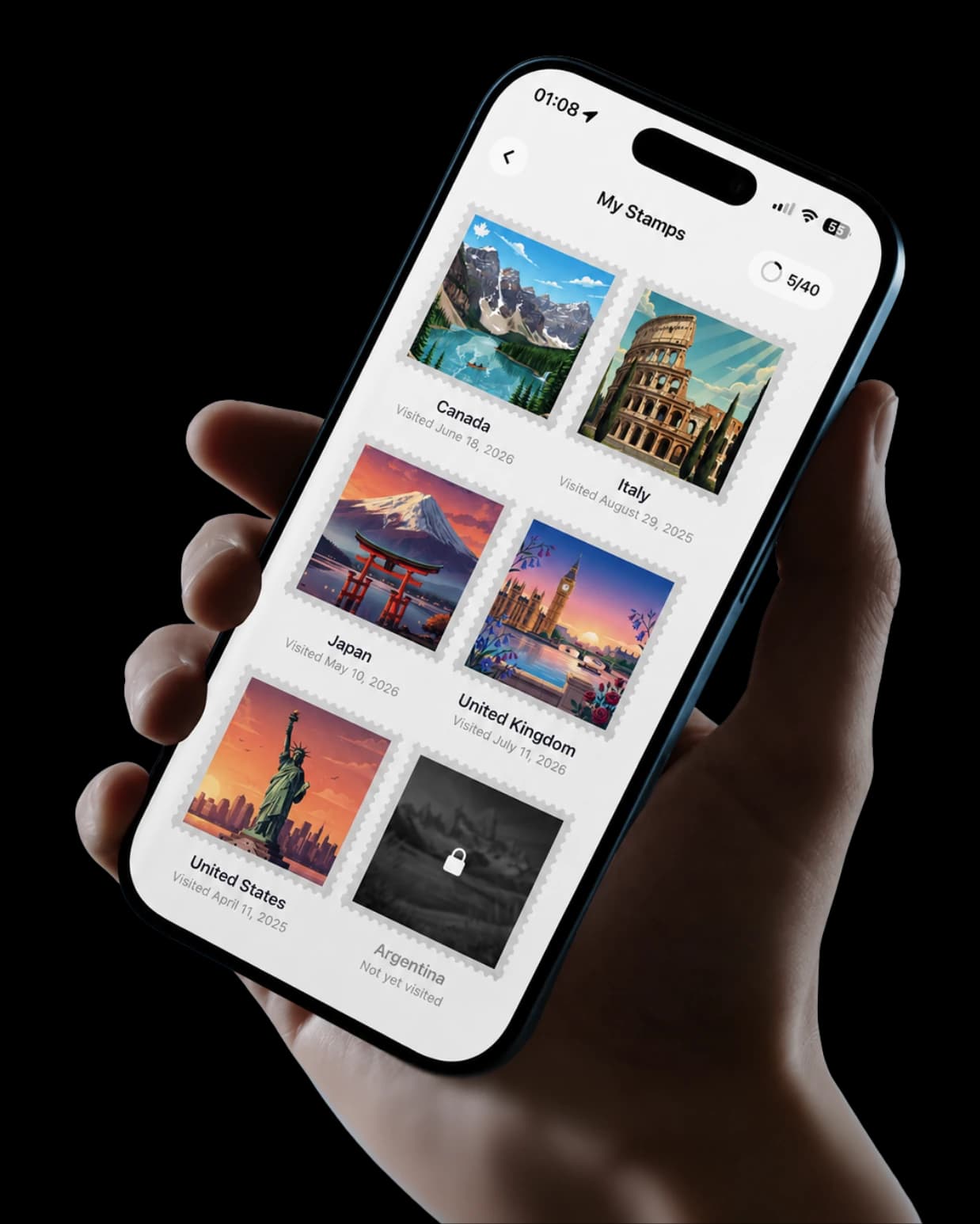
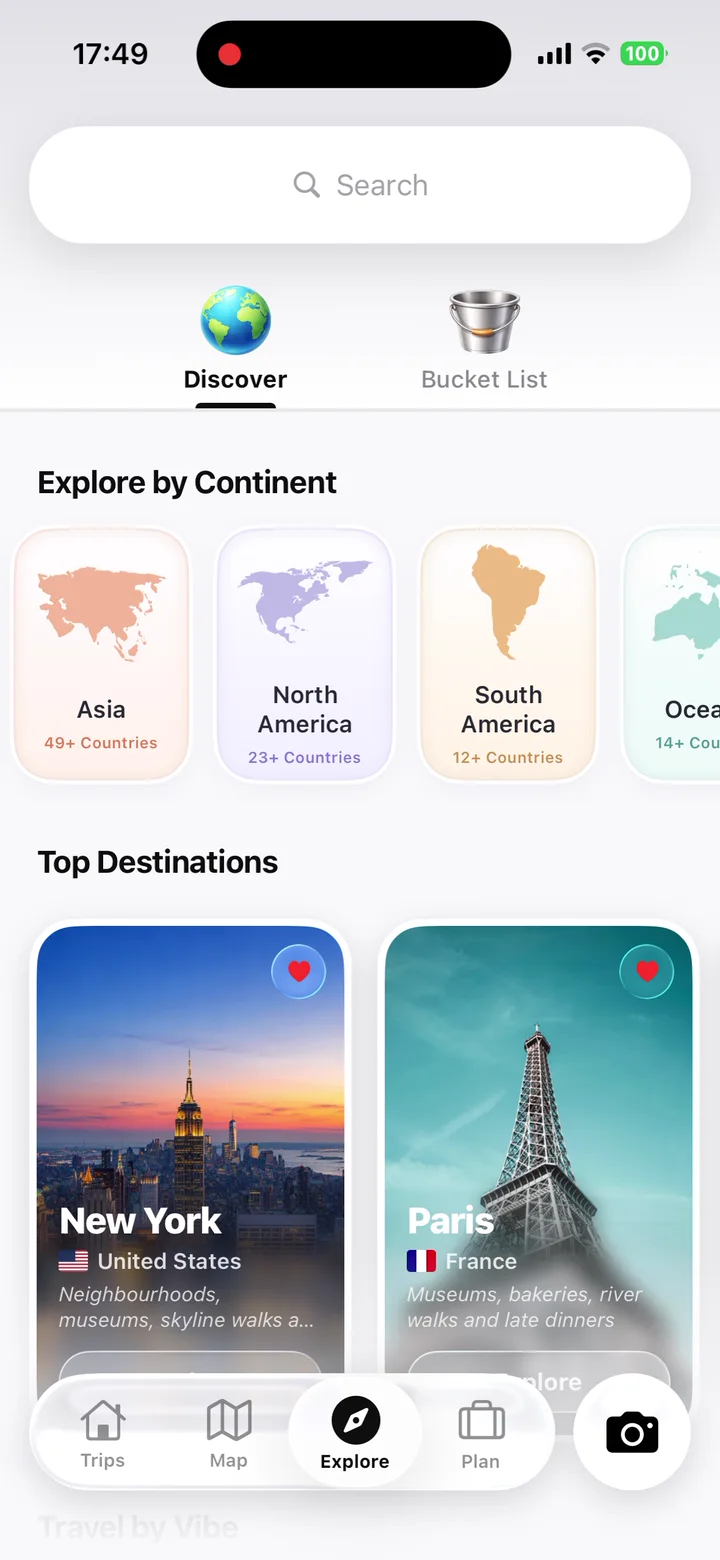
TripMemo connects the lightweight capture habit with a readable, day-by-day record. It is one possible system, not a requirement for keeping a meaningful journal.
Add photos and notes between SIM cards, during travel days and anywhere reliable Wi-Fi is unavailable.
Bring in a busy week from your camera roll and organise the images chronologically before adding the missing context.
Create a shared TripBook for a particular leg so each person can preserve their perspective.
Let family follow a chosen TripBook without making the whole journal a public social feed.
Aim for a small entry most days and a longer review at the end of each week, country or travel chapter. A single vivid detail is more sustainable than forcing yourself to write a full essay every night.
Record people, places, ordinary routines, changing plans, costs that surprised you, things you learned and how you felt. Photos show what a place looked like; a few written lines preserve why the moment mattered.
Start with your camera roll. Group photos by date and location, then add the names, context and one defining story for each day. Do not try to reconstruct every hour. A clear chapter summary is more valuable than an unfinished perfect diary.
Either approach works. One continuous journal gives you a single timeline, while separate chapters for each country, semester, placement or working-holiday stage make a long year easier to organise and share.
Yes. For shared travel legs, invite the people travelling with you to add their own photos and notes. Keep personal reflections private and use a shared chapter for the memories everyone experienced together.
Save the possibilities, shape each chapter, then keep the places, people and stories together.
Travellers are using TripMemo to organise the camera roll, write down the details and give every journey a home they can return to.
Turn travel photos into books you'll actually look back on.

.webp&w=96&q=75&dpl=dpl_GFCXPAUSRaYiumwC2uxyqbjtXpnB)


%20copy%202.webp&w=384&q=75&dpl=dpl_GFCXPAUSRaYiumwC2uxyqbjtXpnB)
%20copy%203.webp&w=384&q=75&dpl=dpl_GFCXPAUSRaYiumwC2uxyqbjtXpnB)