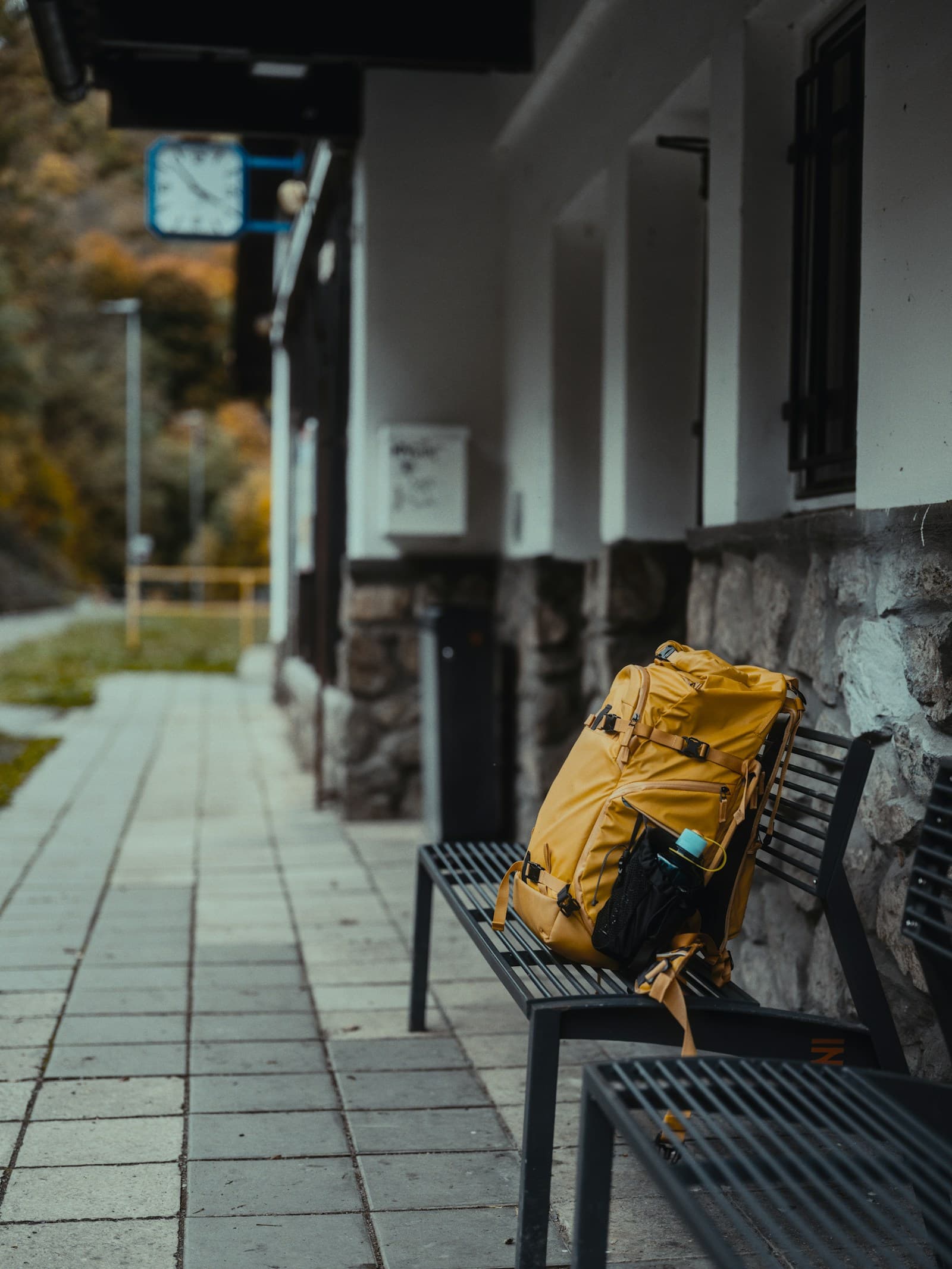
Packed yellow backpack waiting at a station for a long gap year journey

Gap year packing list

Pack for the next chapter.Not every possible year.

T

TripMemo Team

Planning long journeys & preserving them

Gap year packing list

Updated 29 July 2026TripMemo editorial

A long trip does not require a year of possessions on your back. Build a versatile core for the first chapters, protect the essentials and plan how you will adapt when work, weather or the route changes.

01Pack for a laundry cycle, not a year
02Use layers that work together
03Adapt specialist gear by chapter

The gap year packing principles.

The goal is not the smallest possible bag. It is a manageable system that supports the route without controlling it.

01

Carry it yourself

Test the complete packed weight on stairs, pavements and the length of a realistic station connection.
02

Build compatible layers

Every top layer should work with the base layers beneath it and the conditions in the first chapters.

03

Pack for laundry

Choose enough everyday clothing for the longest realistic period between washes, not for the duration of the trip.

04

Adapt by chapter

Plan where specialist winter, work, hiking or formal items can be hired, bought or exchanged.

05

Protect documents

Carry originals securely and keep protected copies available separately.

06

Prepare medication

Bring necessary documentation, suitable storage and enough lead time to understand destination rules.

07

Reduce tech duplication

Standardise charging where possible and confirm voltage, adapter and battery transport rules.

08

Separate essentials

Keep irreplaceable or urgent items away from checked luggage and from one single point of failure.

The core packing framework.

Use these categories to create the first draft, then remove anything that does not have a clear job in the opening chapters.

Documents

01

Start with

Passport, permissions, insurance details, booking essentials, secure copies

Question on back

Question before packing

01

Which originals are required? Can protected copies be accessed separately?

Documents

Clothing

02

Start with

Compatible base layers, everyday outfits, weather layer, sleepwear, swimwear if relevant

Question on back

Question before packing

02

Can every item work in several outfits? When will laundry happen?

Clothing

Footwear

03

Start with

One everyday pair plus only the route-specific pair genuinely needed

Question on back

Question before packing

03

Have you tested them loaded and over distance?

Footwear

Health

04

Start with

Medication, documents, personal essentials and a small appropriate first-aid setup

Question on back

Question before packing

04

Are there storage, quantity or entry restrictions?

Health

Technology

05

Start with

Phone, compact charging system, adapters, protected backups where appropriate

Question on back

Question before packing

05

Can one charger replace several? What must work offline?

Technology

Security

06

Start with

Suitable locks, separated payment access and discreet storage

Question on back

Question before packing

06

What happens if one bag, card or device is lost?

Security

Work or study

07

Start with

Only confirmed programme, placement or course requirements

Question on back

Question before packing

07

Can specialist items wait until the chapter begins?

Work or study

Comfort

08

Start with

A small number of high-value items for sleep, long journeys and routine

Question on back

Question before packing

08

Does the comfort justify carrying it through every chapter?

Comfort

Pack differently for different years.

The route and purpose matter more than the trip length.

  1. 01

    Backpacking across climates

    Prioritise low weight, compatible layers, quick laundry and a clear plan for acquiring specialist cold-weather gear later.

  2. 02

    Working holiday

    Keep everyday travel light but budget space and money for confirmed work clothing, documents and a more stable base.

  3. 03

    Study or year abroad

    Separate the travel kit from the items that make a longer home comfortable. Consider what can be bought or borrowed after arrival.

  4. 04

    Volunteering programme

    Follow the programme’s actual requirements and local guidance. Do not substitute a generic influencer list for role-specific equipment.

  5. 05

    Multi-month warm route

    Pack sun and rain protection, but remember that transport and indoor air conditioning can still make a light warm layer useful.

  6. 06

    Activity-led year

    Check whether technical equipment must meet a standard and whether hiring locally is safer or more practical than carrying it.

One app. Your entire trip.

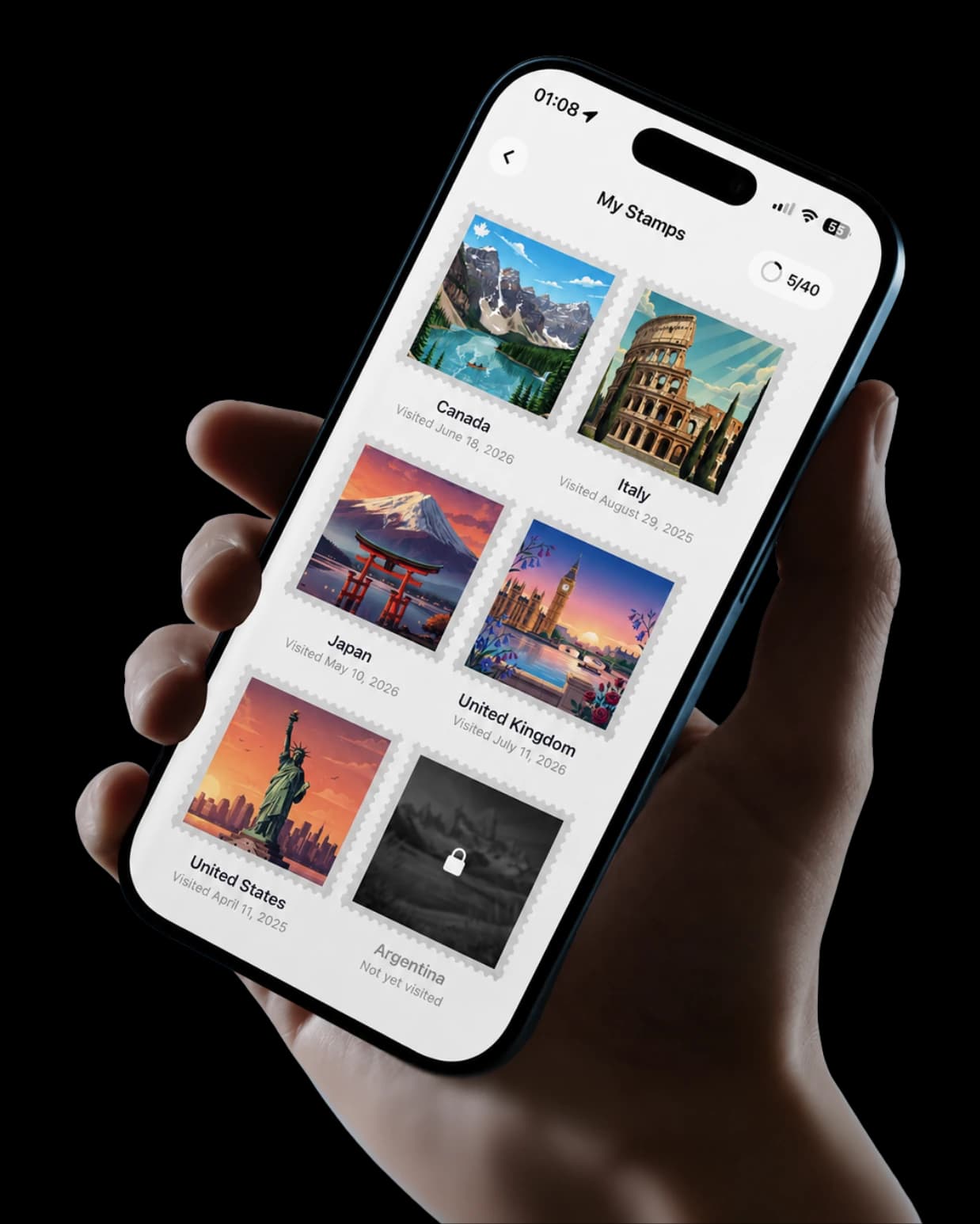
With TripMemo you can

collect stamps, track travel stats, keep a journal, discover ideas, plan with AI, travel offline and collaborate on TripBooks
TripMemo solo travel app on iPhone showing collectible country stamps from past trips

What belongs in hand luggage?

Prepare for the checked bag to be delayed without trying to carry the entire trip into the cabin.

01

Identity and access

Travel documents, essential booking information, payment access and the details needed to reach the first night.

02

Health essentials

Necessary medication and supporting documents, carried in line with airline, security and destination rules.

03

A twenty-four-hour reset

Basic toiletries within restrictions, one clothing change and the chargers needed to communicate and navigate.

The final packing test.

Complete this test at least once before departure, with the bag packed as it will actually travel.

Test

Carry test

01
Pass condition
You can move the complete bag through stairs, platforms and a realistic walking connection without help

Test

Access test

02
Pass condition
Documents, medication and arrival essentials are available without unpacking the whole bag

Test

Loss test

03
Pass condition
Losing one card, device or bag would be difficult but would not remove every way to pay, identify yourself or contact help

Test

Laundry test

04
Pass condition
The clothing system works for a realistic wash interval and can dry in the conditions you expect

Test

Chapter test

05
Pass condition
Items for distant future chapters have a clear reason to be carried now rather than acquired later

Questions, answered.

How many clothes should I pack for a gap year?+

Pack for the interval between realistic laundry opportunities, not for the total length of the year. Choose a small system of layers that work together and replace or adapt items when the climate changes.

Should I use a backpack or suitcase for a gap year?+

Choose based on the route rather than the label 'gap year.' A backpack may suit frequent moves, stairs and uneven surfaces; a wheeled bag may suit study, work or longer stays. Test the packed weight and how you will move it through actual transport connections.

What should stay in my hand luggage?+

Keep essential documents, necessary medication, valuables, chargers and enough basic clothing to manage a baggage delay. Follow airline and security restrictions for liquids, batteries and medication.

Should I pack for every climate in advance?+

Usually not. Pack a versatile core and plan where specialised winter, work or activity equipment can be bought, hired, borrowed or shipped. Carrying a future climate for months can be more expensive and inconvenient than adapting later.

Can I use a packing list generator for a gap year?+

Yes. Use a generator to create the first draft based on destinations, activities and climate, then remove duplicates and items that are easy to obtain locally. A generator is a prompt, not a substitute for checking airline, programme or activity requirements.

For your entire gap year

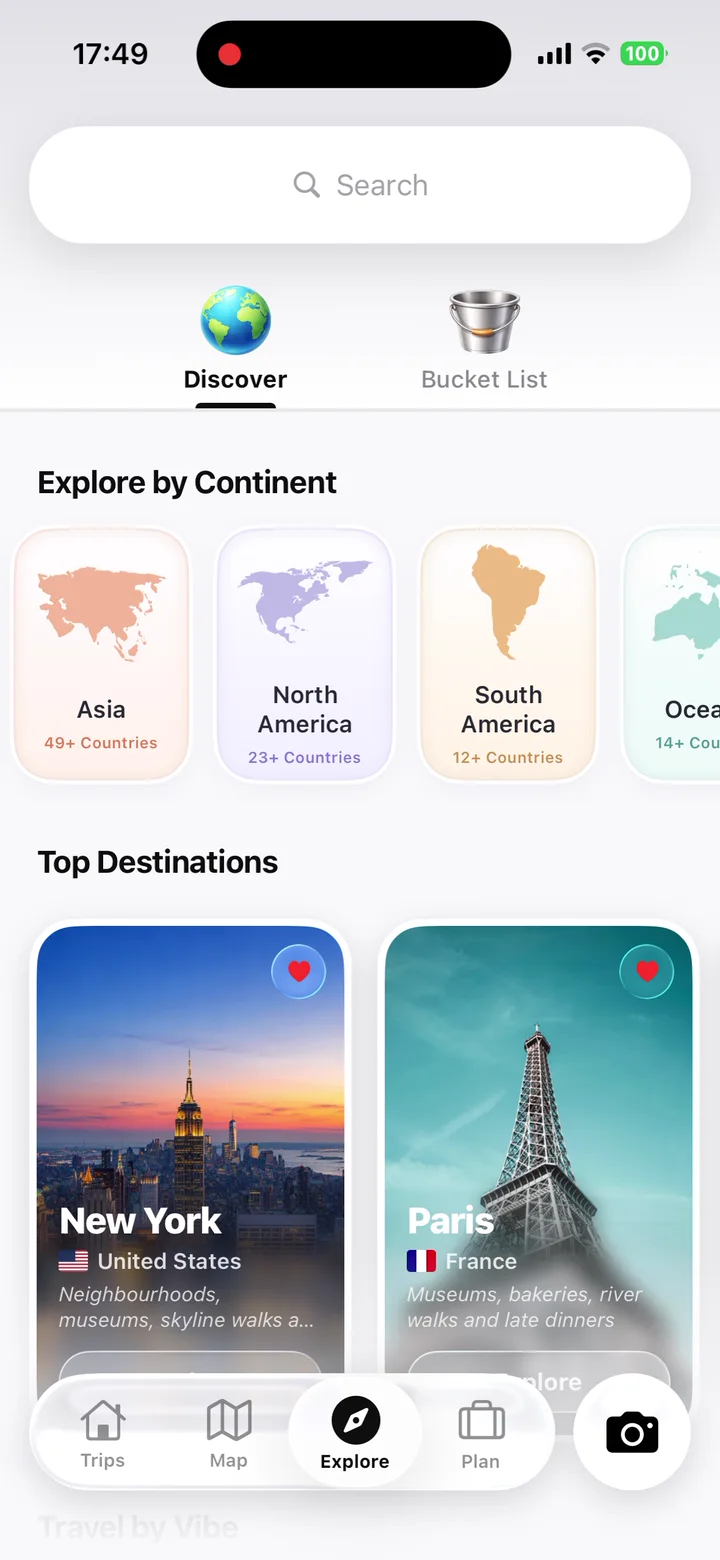
Save the possibilities, shape each chapter, then keep the places, people and stories together.

TripMemo gap year destination discovery screen with places organised by continent and travel vibe

Explore destinations by vibe, season and budget, then save the places that could shape the next chapter of your year.

Keep countries, working-holiday ideas and once-in-a-lifetime experiences in one visual shortlist as the route evolves.

Turn the places you save into a flexible day-by-day starting point without making the whole year feel fixed.

Bring photos, places and notes into one day-by-day story that can hold every chapter of a long journey.

See the route take shape from the places and memories you choose to add, without continuously broadcasting your location.

Real App Store reviews.

Travellers are using TripMemo to organise the camera roll, write down the details and give every journey a home they can return to.

Your trips deserve
more than a camera roll

Turn travel photos into books you'll actually look back on.

Real-time Collab
Works Offline
Private by Default