.webp&w=96&q=75&dpl=dpl_7HdsHuHoztbD75pPSmqrd4UbVQGH)
When
6–12 months before
- Focus
- Work approval, savings, passport and broad route
- Useful outcome
- A viable journey shape and realistic constraints

Digital nomad planning guide
Digital nomad planning guide
A digital nomad trip works best when the important constraints are visible, the first base is realistic and the rest of the journey has room to change.
A destination shortlist becomes useful only after you understand the work, time and money conditions the journey must support.
Save the possibilities, shape each chapter, then keep the places, people and stories together.
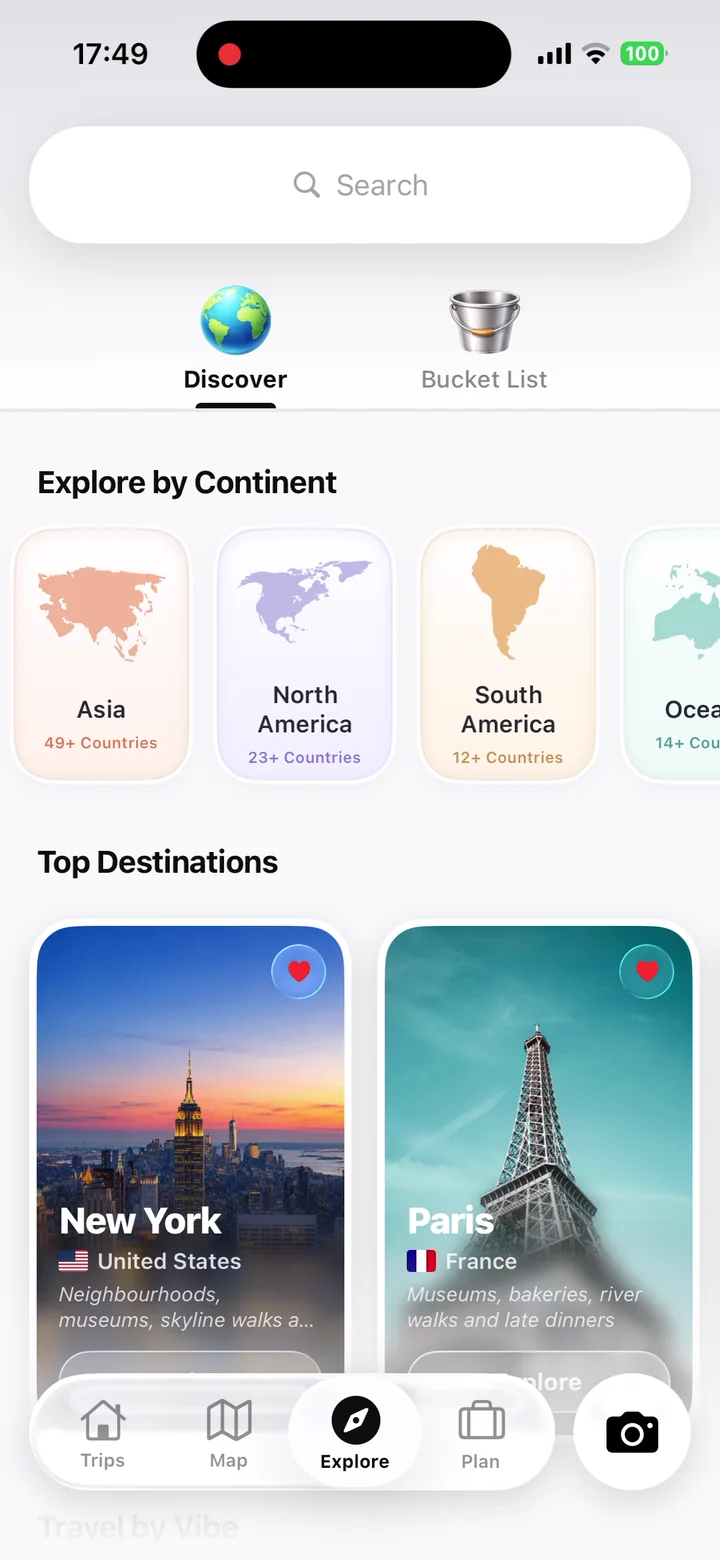
Travellers are using TripMemo to organise the camera roll, write down the details and give every journey a home they can return to.
Choose the broad length, working pattern and pace. A month in one base has different needs from a two-week move every few days.
Start with the version you can sustain, not the most impressive route.
Record calls, deadlines, time-zone limits, equipment needs and the hours when you must be dependable.
These conditions should filter destinations before aesthetics do.
Compare a small shortlist using workspace, internet, season, cost, access and daily-life criteria.
The first base is a test of the lifestyle, not a permanent decision.
Confirm passport validity, entry rules, work permissions, insurance, health preparation and document requirements.
A planning app can organise your checks but cannot replace official advice.
Separate predictable monthly costs from one-off travel costs and keep emergency money outside the everyday total.
Add a review point so the budget can change when the real numbers arrive.
Secure the items that are limited or difficult to replace, such as the first accommodation, essential transport and appointments.
Avoid turning every ordinary day into a commitment before you know the base.
Decide what you will do if the workspace fails, a border rule changes, you become ill or the base is not sustainable.
A backup can be another neighbourhood, a nearby city or a slower month at home.
At the end of each chapter, record what worked, what cost more than expected and whether the next base still fits.
This turns experience into a better plan instead of repeating the same assumptions.
Use a sequence that protects deadlines without pretending the whole journey can be predicted.
When
When
When
When
When
One app. Your entire trip.
Keep in your plan
Keep in your plan
Keep in your plan
The best plan becomes more useful when it can hold what happened, not just what you hoped would happen.
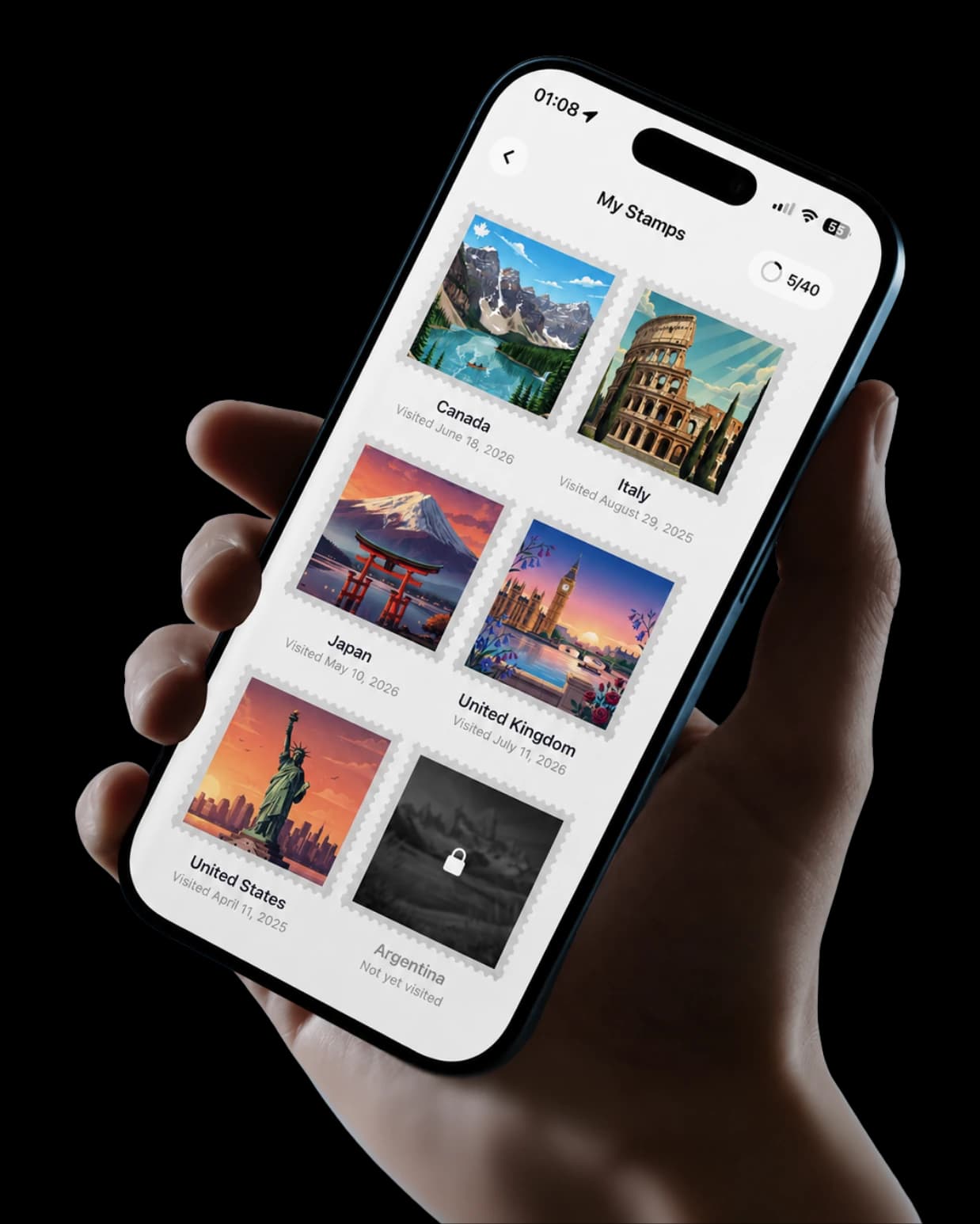
Keep bases, places, day ideas, photos and notes together as work and travel unfold.
Open resource →Use a practical checklist to compare the places that could support your next working chapter.
Open resource →Find specialist tools for connectivity, official checks, money, insurance and destination research.
Open resource →Start with the decisions that have deadlines: passport validity, visa or entry rules, employer approval, insurance, accommodation and major transport. Plan the first base in detail and keep later chapters flexible until you understand your working rhythm.
Compare time-zone fit, internet and workspace reliability, stay length, season, realistic costs, transport and the routines you want to build. A beautiful destination is not a workable base if it makes your job or daily life unsustainable.
Book the anchors that are limited, time-sensitive or difficult to replace. Keep ordinary days, optional destinations and the middle of the journey flexible so you can extend a productive base or move when it is not working.
Include work hours and time zones, passport and entry requirements, insurance, connectivity, workspace, accommodation, transport, budget, emergency plans, document storage and a review point for choosing the next base.
No. TripMemo connects flexible plans with the memories you capture, but official immigration, health, insurance, booking, finance and navigation services remain the source of truth for those decisions.
Turn travel photos into books you'll actually look back on.


%20copy%202.webp&w=384&q=75&dpl=dpl_7HdsHuHoztbD75pPSmqrd4UbVQGH)
%20copy%203.webp&w=384&q=75&dpl=dpl_7HdsHuHoztbD75pPSmqrd4UbVQGH)