.webp&w=96&q=75&dpl=dpl_7HdsHuHoztbD75pPSmqrd4UbVQGH)
Factor
Work fit
- Questions to ask
- Can I meet my work hours and calls without living at night?
- Evidence to save
- Time-zone difference, call windows and routine

Digital nomad base checklist
Digital nomad base checklist
The best digital nomad base is not always the most popular destination. It is the place whose workday, cost, climate and ordinary rhythm you can actually sustain.
A base has to support the life between the photos. Write down what a dependable week actually requires before you compare destinations.
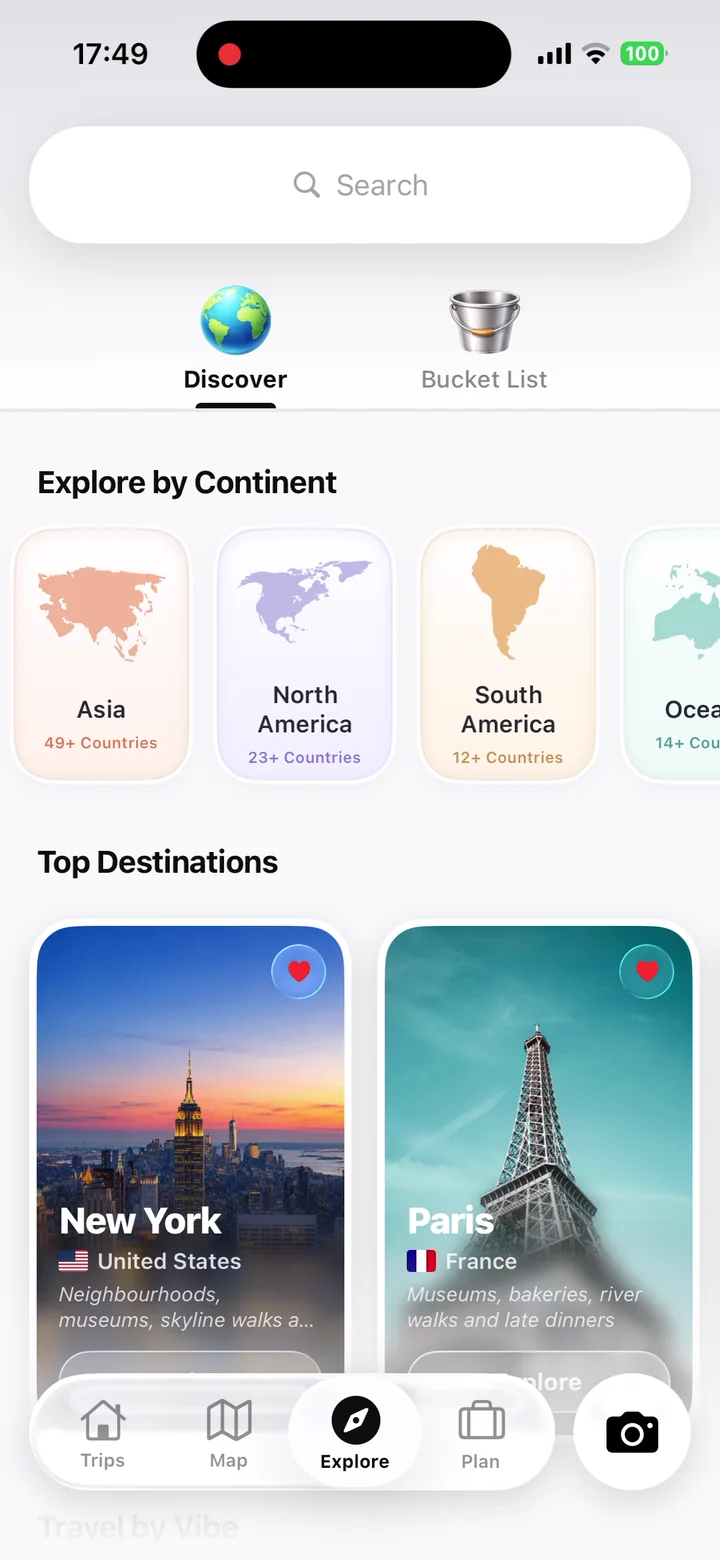
Save the possibilities, shape each chapter, then keep the places, people and stories together.
Travellers are using TripMemo to organise the camera roll, write down the details and give every journey a home they can return to.
Use a simple scorecard to make trade-offs visible. A destination can be exciting and still be the wrong base for this particular chapter.
Factor
Factor
Factor
Factor
Factor
Factor
Start with your passport, work hours, budget, season, required stay length and the kind of routine you want.
A clear constraint is more useful than a vague preference.
Choose three to five places that could realistically support the same chapter.
If every option is a different type of lifestyle, the comparison will not teach you much.
Look past attraction lists and investigate housing, workspace, connectivity, food, transport and the distances you will repeat.
The ordinary week is the product you are choosing.
Confirm current entry, work, health and insurance requirements using the relevant authorities and providers.
Do not let a search snippet become your legal or health advice.
Give yourself enough time to settle, work and notice how the place feels after the arrival energy fades.
Set a review date before you commit to the next base.
Keep the useful places, photos, costs, routines and reflections so the next decision is based on lived evidence.
Your last base becomes research for the next one.
One app. Your entire trip.
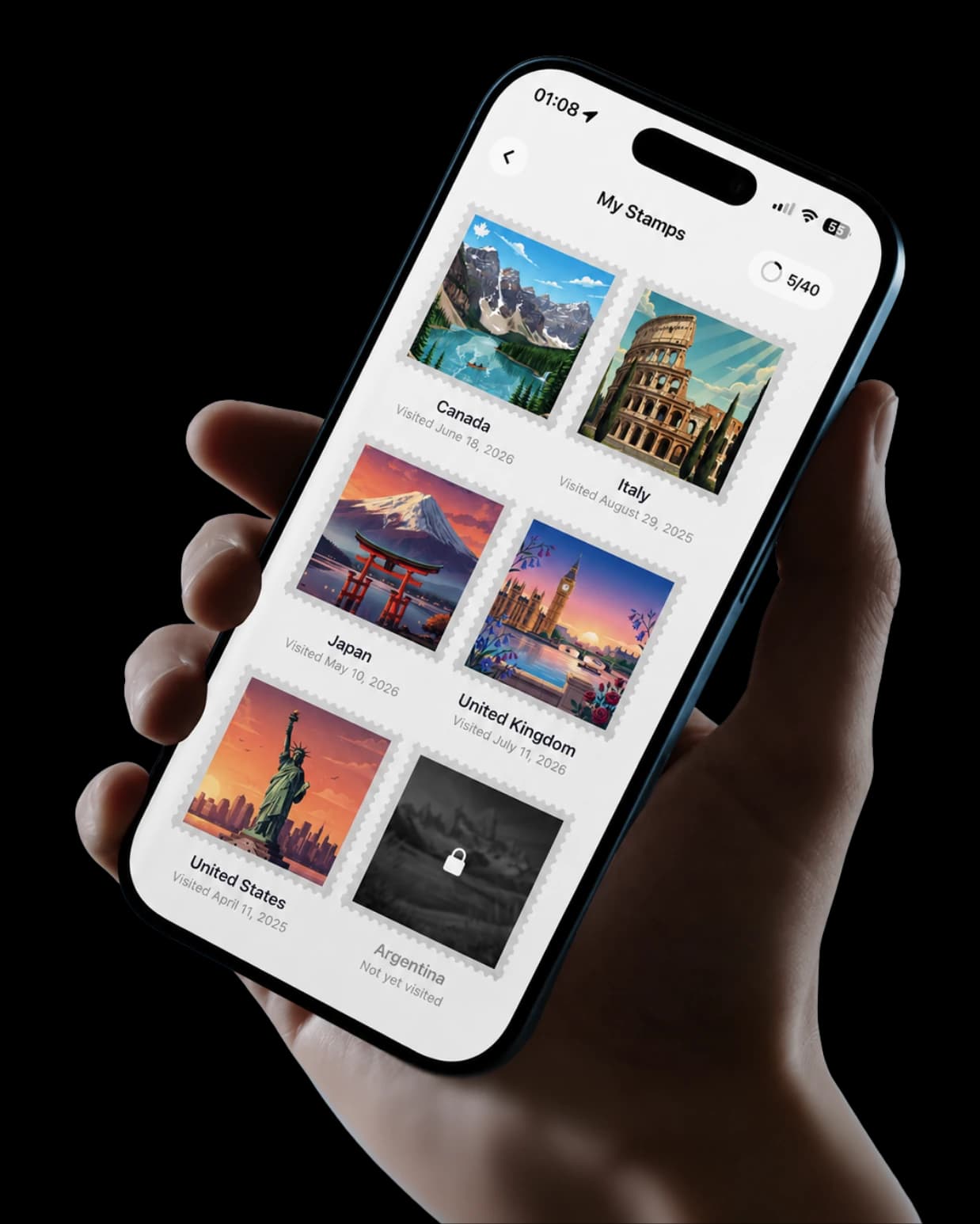
Save the café, market, gym, park or corner shop that gave the month a rhythm. These are often the memories that distinguish one base from another.
Keep the walk, beach, museum, neighbourhood or weekend route that made the base feel lived rather than merely occupied.
Write down what made you want to stay or move. Cost, energy, weather, work and people all belong in the record.
Keep personal memories separate from official advice. A journal can preserve your experience without pretending to be a live source.
A good base supports the way you actually work and live. Look beyond popularity and compare time zone, internet, workspace, accommodation, season, cost, transport, daily routine and whether you can stay long enough to settle.
There is no universal answer. A longer stay can reduce move costs and make routines possible, while a shorter stay may fit a project or season. Choose a length that lets you work reliably and experience ordinary life, not only arrival logistics.
Neither metric works alone. Compare the complete working day: reliable access, a usable desk, time-zone fit, housing, transport, food, noise, climate and the cost of the routine you want to maintain.
Start with three to five realistic options. A short list makes trade-offs visible without turning research into endless browsing. Save why each place made the list and what evidence would rule it out.
TripMemo can hold destination ideas, useful places, flexible day plans, notes, photos and the lived evidence from each chapter. It does not provide official visa, health, insurance, booking or live connectivity advice.
Turn travel photos into books you'll actually look back on.


%20copy%202.webp&w=384&q=75&dpl=dpl_7HdsHuHoztbD75pPSmqrd4UbVQGH)
%20copy%203.webp&w=384&q=75&dpl=dpl_7HdsHuHoztbD75pPSmqrd4UbVQGH)