01
The TripBook cover
Name the journey and choose a cover photograph that makes the whole chapter recognisable at a glance.
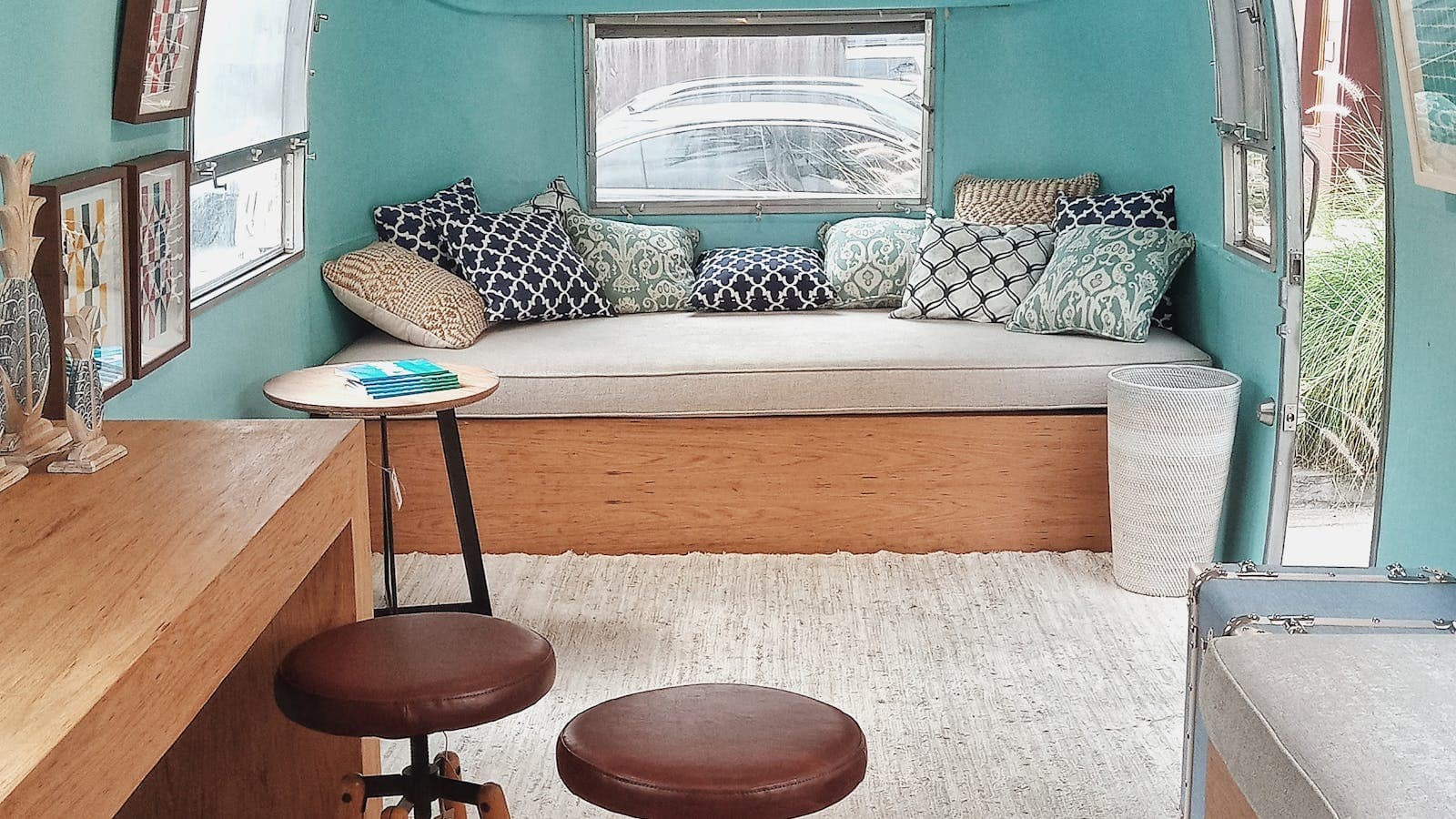
Van life travel journal example
Van life travel journal example
A complete worked layout for turning campervan photographs, meaningful stops and road notes into a journal you can actually revisit. Every example field is a prompt, not a claimed customer story.
A journal becomes useful when every part has a clear job. These six parts create enough context without turning the drive into an admin task.
Name the journey and choose a cover photograph that makes the whole chapter recognisable at a glance.
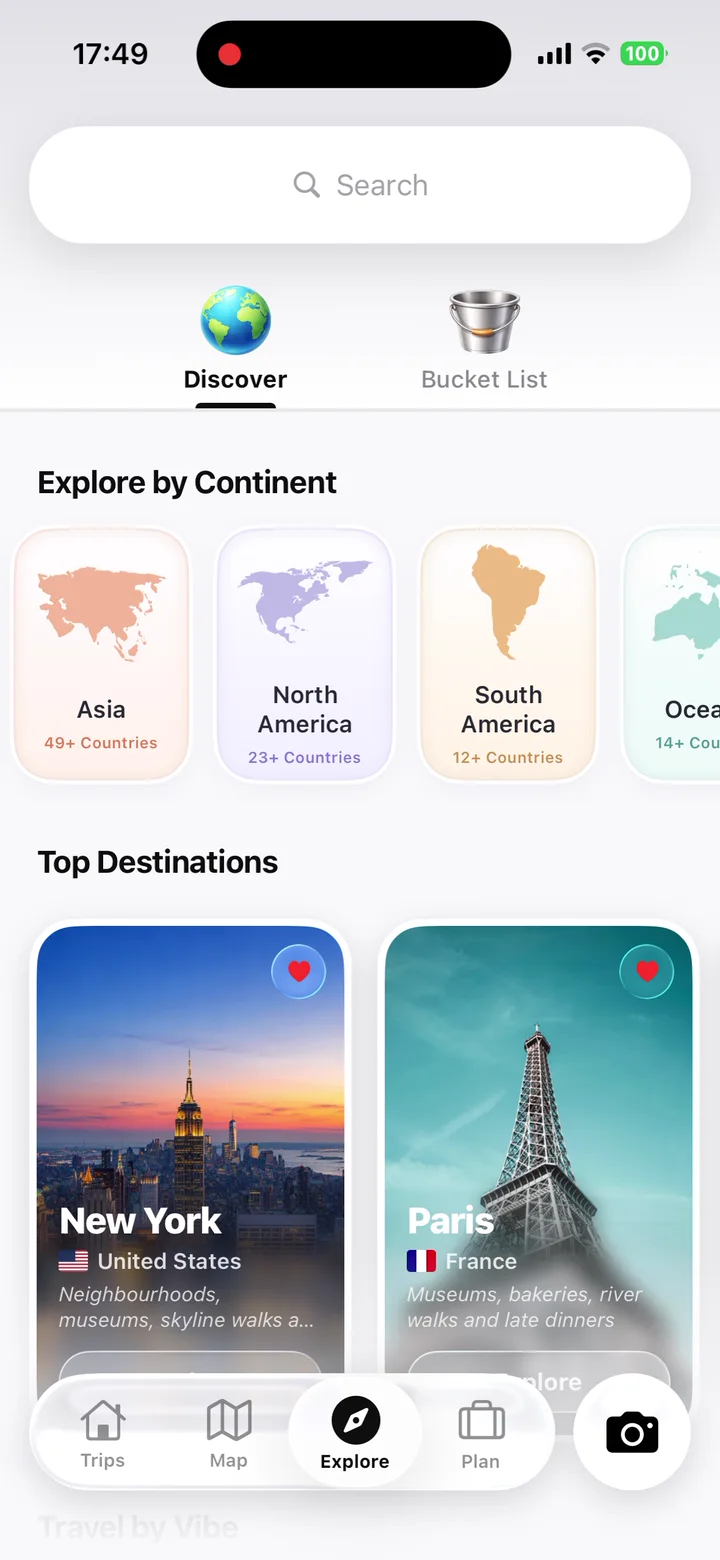
Pin camps, viewpoints, towns and trailheads that belong in the memory. The map provides context rather than continuous surveillance.
Choose images that unlock a day. Keep additional photographs when they add a different person, scene or part of the story.
Write down the remark, mistake, weather change or ordinary routine that a photograph cannot preserve alone.
Let each traveller add what they noticed. A shared TripBook should hold more than one version of the same day.
After parking, add one sentence about what changed, what mattered and what should still make sense years later.
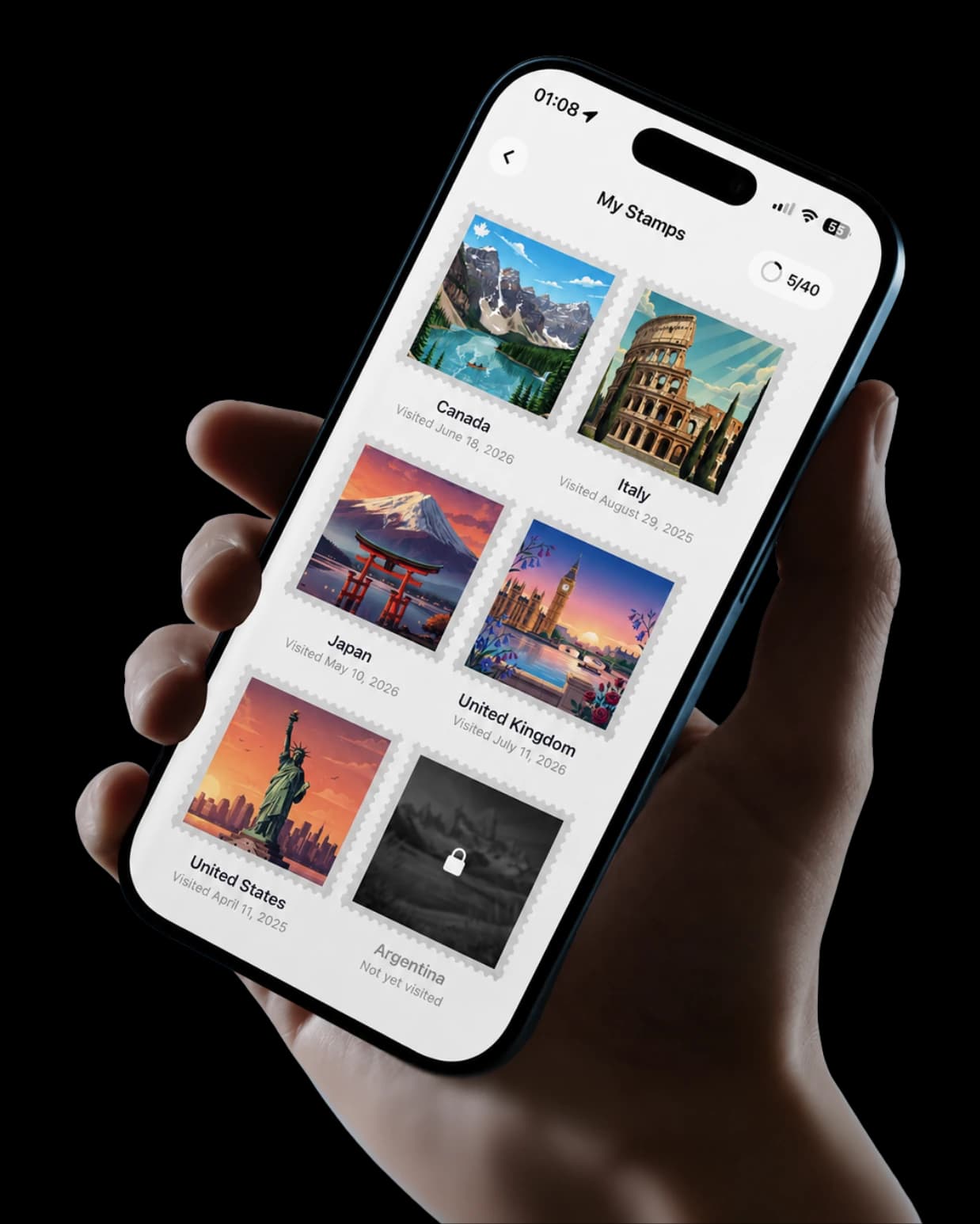
Use this order as a reusable structure. Add or remove parts according to the length and rhythm of your own campervan journey.
Use a title you will recognise later. Add the broad dates and a cover photograph that represents the whole chapter rather than a generic vehicle image.
Record who travelled, the broad region and what brought the journey together. Keep practical booking records elsewhere.
Give each meaningful day an anchor photograph, place and short note. Empty travel days do not need filler entries.
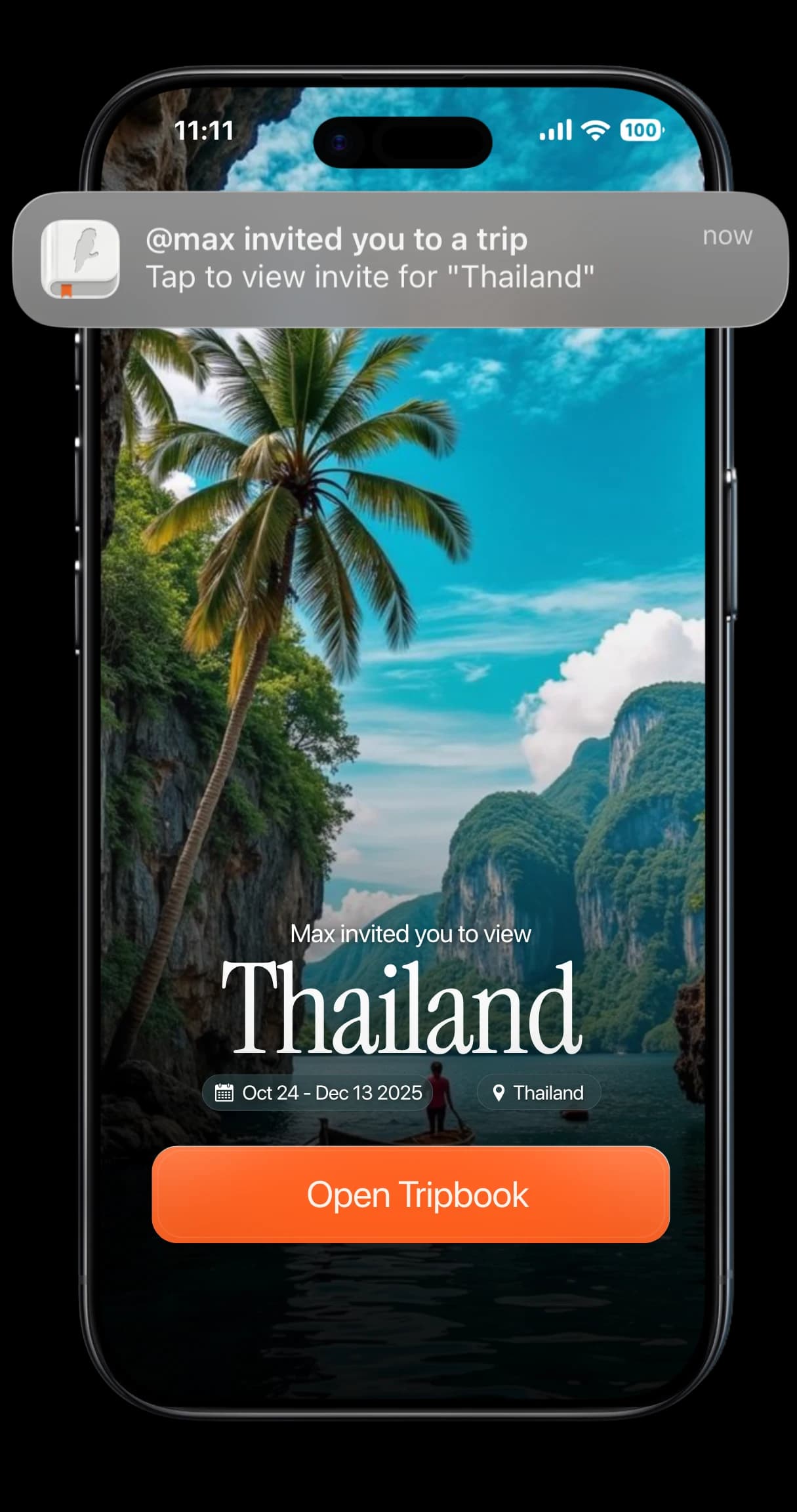
Invite the other traveller to add their own photos and words to the days they shared, including moments you did not witness.
Map the places connected to entries. This creates a readable memory map without claiming to reproduce every road or live location.
Finish with what changed, what became a ritual, which place deserves another visit and what you would do differently next time.
Fill the structure with your own evidence from the camera roll and your own memory. The brackets show exactly what belongs in each field.
Field
Field
Field
Field
Field
Field
Private sharing
Send friends or family a link to one TripBook. They can follow the journey you choose to share without you posting every moment to a public feed.
Your TripBooks begin as yours.
Share that journey instead of your whole profile.
Drop the link into the conversation you already use.
Answer only the questions that recover something the camera roll would otherwise lose.
Choose the image that can reopen the day later.
Add the meaningful place, not a continuous route trace.
Keep the words, sound, weather or feeling the image missed.
Invite another perspective from the person travelling with you.
Record the detour, delay or decision that shaped the day.
Save the meal, routine, view from the door or evening ritual.
The same layout works at three different moments. Choose the workflow that matches the journey you actually have.
These records can overlap, but they answer different questions and should not be treated as interchangeable.
Record
Record
Record
A useful van life travel journal is usually organised by trip and day. Each day can combine one or more photographs, a meaningful place, a short caption and the details the camera missed, such as weather, people, overnight atmosphere, a changed plan or a small lesson from the road.
No. It is a transparent worked layout built from reusable fields and prompts. It does not claim to show a real traveller, campsite, route or customer experience. Replace every placeholder with details from your own journey.
Start with one anchor photograph, the place and one specific sentence that the image cannot explain. Add people, practical notes or extra photographs only when they make the memory clearer. An entry does not need to account for every hour of the day.
Only if that level of detail is useful to you. A memory journal can focus on the stops that shaped the story. Keep current access, facility and overnight-permission research in a specialist service, because a personal journal is not a reliable source of live campsite information.
Yes. Give both travellers access to the same journal and let each person add their own photographs, captions and observations. Shared entries work best when they preserve different perspectives instead of duplicating the same image and description.
Group the camera roll by date, identify the anchor photograph for each day, check the place information, then add names and context while they are still recoverable. Rebuild the meaningful days first rather than trying to document every kilometre.
No. A route tracker can record movement or location history. A journal deliberately combines selected places with photographs and written context. TripMemo uses intentional memory places and does not continuously broadcast or recreate every road driven.
Save the places, shape each stretch, then keep every camp and story.
Travellers are using TripMemo to organise the camera roll, write down the details and give every journey a home they can return to.
Turn travel photos into books you'll actually look back on.

.webp&w=96&q=75&dpl=dpl_GFCXPAUSRaYiumwC2uxyqbjtXpnB)


%20copy%202.webp&w=384&q=75&dpl=dpl_GFCXPAUSRaYiumwC2uxyqbjtXpnB)
%20copy%203.webp&w=384&q=75&dpl=dpl_GFCXPAUSRaYiumwC2uxyqbjtXpnB)