Record
Memory journal
- Best for
- Revisiting why the journey mattered
- Typical content
- Selected photos, places, captions and personal reflections
- Important limitation
- Does not verify current parking, road or campsite conditions
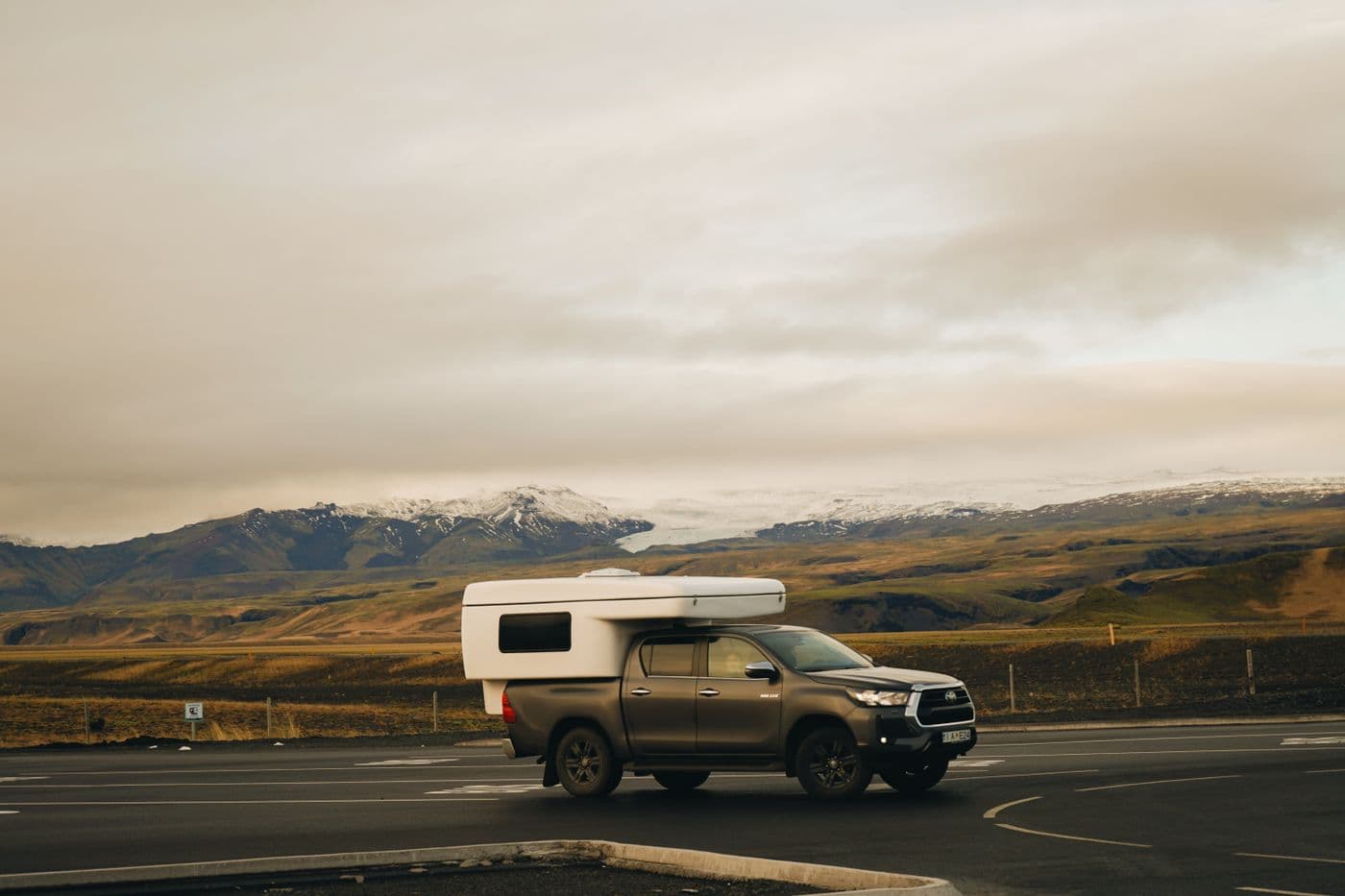
How to document a campervan trip
How to document a campervan trip
A practical before, during and after method for preserving campervan photographs, meaningful stops and the details outside the frame, without turning every road day into a documentation project.
A memory journal, route tracker and practical stop record solve different problems. Separating them prevents gaps and unrealistic expectations.
Record
Record
Record
Use the same sequence across the journey. The method stays small enough for a weekend and flexible enough for a long van trip.
Decide whether you are making a memory journal, a route history, a practical campsite record or a combination. Give each job the right tool instead of expecting one record to answer every question.
Choose where photographs, notes and meaningful places will live before leaving. If several people are travelling, make sure everyone can contribute to the same shared record.
Choose the image that can reopen each meaningful stop or day. Add more photographs only when they introduce another person, scene or part of the story.
Attach the camp, town, viewpoint, trailhead or roadside pause connected to the memory. A selected place gives context without creating a continuous live location trace.
Add one sentence about the weather, conversation, changed plan, van routine or unexpected moment outside the frame. Specific details are more useful than a broad daily summary.
Let the other traveller contribute their own photograph or note. Shared documentation works because people notice different parts of the same day.
When several days pass, group photographs by date and rebuild the most meaningful entries first. Use image dates and place information as prompts, then supply only the context you personally remember.
Check names, private reflections and contributor preferences. Share a chosen journey rather than assuming the complete private record should become public.
Choose details that restore context. The goal is a recoverable memory, not a complete operational log.
The view, person, meal or van detail that can reopen the scene without needing a hundred near-duplicates.
The selected place connected to the story, whether it is a camp, town, viewpoint, trailhead or roadside pause.
The words, weather, wrong turn, sound or feeling that makes the photograph understandable years later.
A companion’s photograph or sentence that preserves a part of the day you did not notice yourself.
Why the plan changed and what the detour created, without attempting to reproduce every kilometre driven.
What became a ritual, what challenged the plan and what you would carry into the next van journey.
Prepare the record without pre-writing the journey. Leave room for the road to become different from the plan.
Private sharing
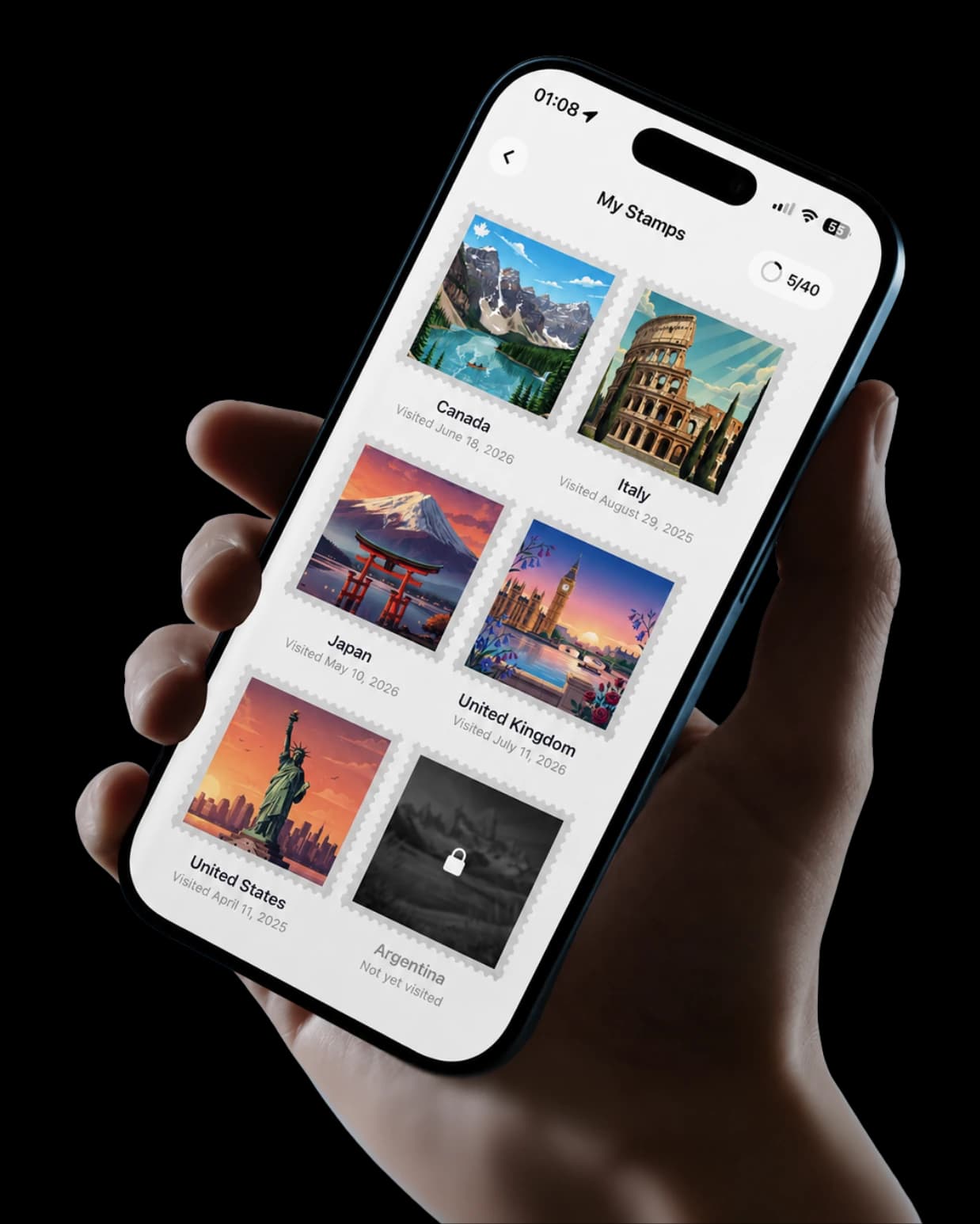
Send friends or family a link to one TripBook. They can follow the journey you choose to share without you posting every moment to a public feed.
Your TripBooks begin as yours.
Share that journey instead of your whole profile.
Drop the link into the conversation you already use.

After parking, use a single repeatable unit. Add more only when the memory genuinely needs it.
Select the image that best restores the scene or decision.
Add the chosen location connected to the memory.
Explain what happened that the photograph cannot show.
Let the other traveller add their photograph or words.
Return to the journey once the entry can bring the moment back.
A busy or difficult day can be rebuilt later from the camera roll.
The camera roll can restore sequence and place. It cannot supply a story you no longer remember, so keep uncertainty visible and focus on recoverable details.
Adjust the rhythm, not the core method. The photograph, place and specific sentence remain the same.
Journey
Journey
Journey
Use one repeatable unit for each meaningful day: an anchor photograph, a selected place and one specific sentence about what happened outside the frame. Invite other travellers to add their perspective and use the camera roll to rebuild any missed days after the trip.
Capture a brief entry after parking when the details are fresh. A one-minute photograph, place and sentence is enough for busy days. Use a longer weekly or end-of-trip review for reflection and missing context.
Prepare navigation separately by downloading the required map areas while connected. Use a journal that can save photographs and notes locally, then sync after the phone reconnects. Confirm exactly which features remain available offline before the journey.
Only if a continuous route history serves a purpose you actually want. A memory journal can use selected places instead. Tracking, navigation and journaling have different privacy, battery and accuracy trade-offs.
Agree on one shared home and simple roles. One person might add the meaningful place while the other contributes the photograph or caption. Both people should be able to preserve their own version without one traveller becoming the permanent archivist.
Start with the camera roll grouped by date. Select the strongest photograph for each meaningful day, check the place, then add names, decisions and small details the image cannot show. Skip duplicate or forgettable days rather than inventing missing context.
Review personal reflections, other people’s names, precise private locations and anything a contributor did not agree to share. Keep live safety or location sharing in a dedicated service and share only the finished journey you deliberately selected.
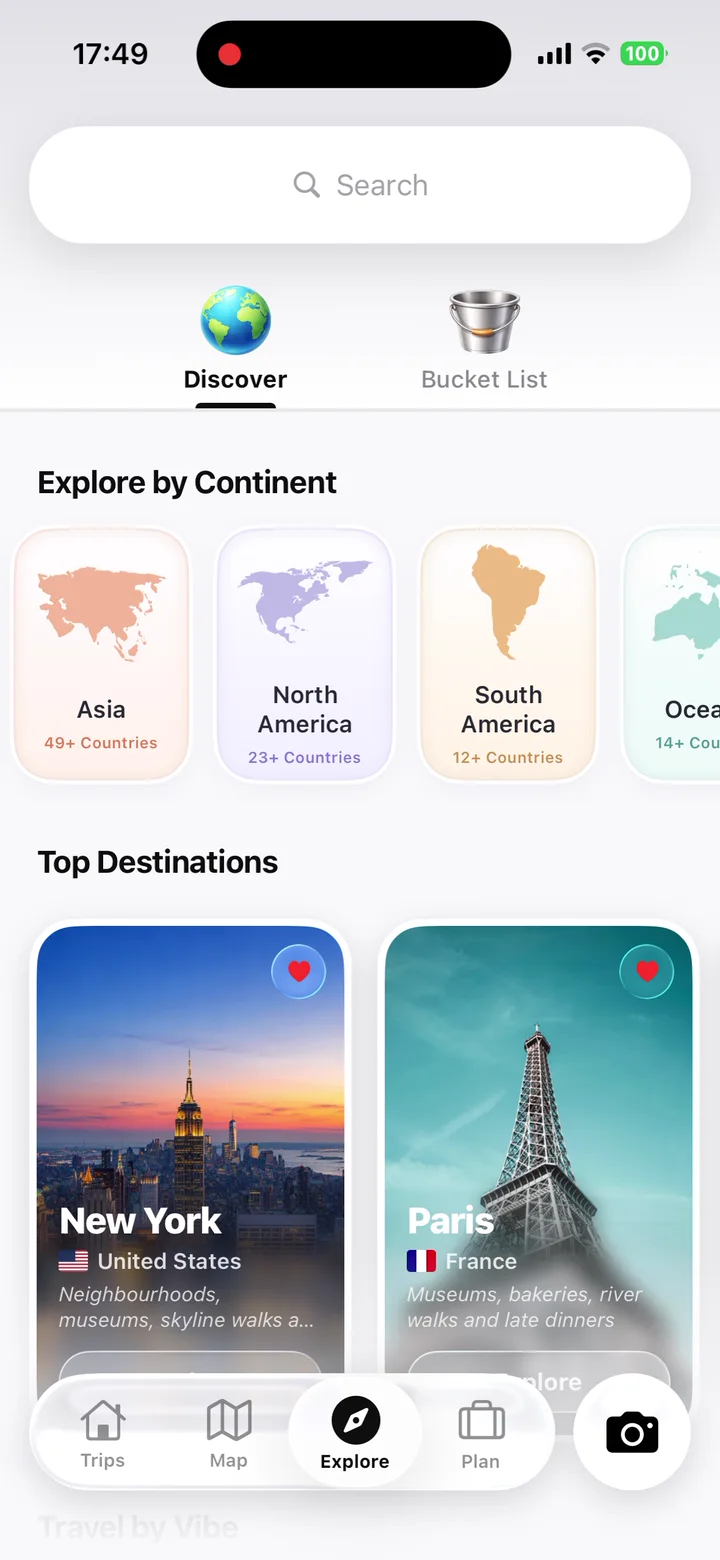
Save the places, shape each stretch, then keep every camp and story.
Travellers are using TripMemo to organise the camera roll, write down the details and give every journey a home they can return to.
Turn travel photos into books you'll actually look back on.

.webp&w=96&q=75&dpl=dpl_GFCXPAUSRaYiumwC2uxyqbjtXpnB)


%20copy%202.webp&w=384&q=75&dpl=dpl_GFCXPAUSRaYiumwC2uxyqbjtXpnB)
%20copy%203.webp&w=384&q=75&dpl=dpl_GFCXPAUSRaYiumwC2uxyqbjtXpnB)