01
Places and overnight atmosphere
Use when the location matters but the map pin cannot explain how the stop looked, sounded or felt.
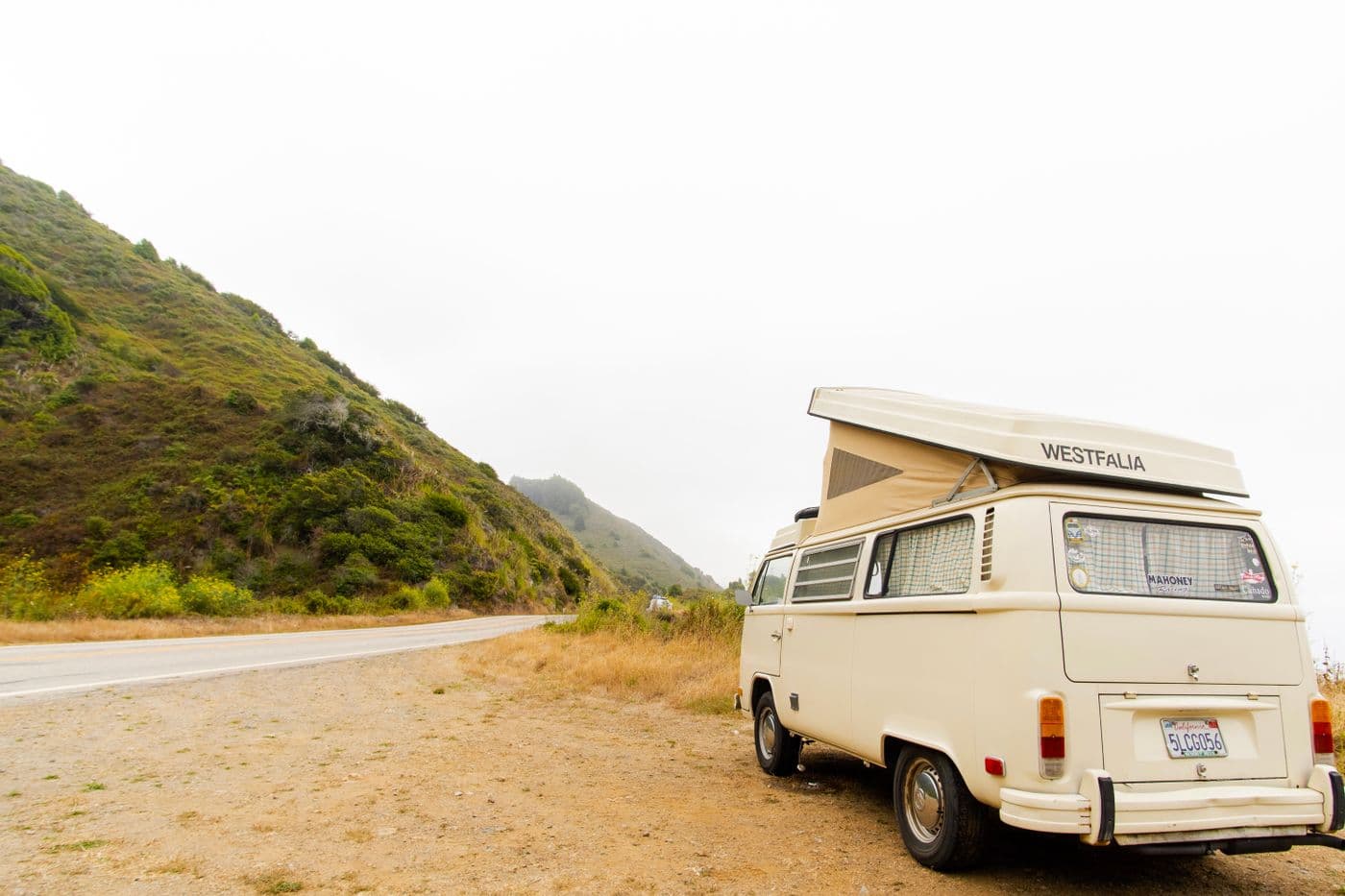
42 van life journal prompts
42 van life journal prompts
Prompts for the camps, detours, van routines, people and unpolished moments that make a campervan journey yours. Choose one useful question, not a daily writing assignment.
The prompt should serve the story, not force the day into a formula. Start with the part of the journey you are trying to recover.
Use when the location matters but the map pin cannot explain how the stop looked, sounded or felt.
Use when weather, energy, advice or curiosity changed the route and created a better story.
Use for the ordinary routines, meals, small comforts and lived-in details that scenic photographs omit.
Use to preserve another traveller’s version, a conversation or the reality of sharing a small space.
Use when you want to record how expectations, pace or ideas about freedom changed on the road.
Use after the trip to choose the places, rituals, people and lessons that define the whole chapter.
Use these prompts to preserve the character of a stop without presenting a personal memory as current campsite advice.
Begin with the immediate view, sound, temperature or smell.
Compare the character of two places without writing a full review.
Keep the conditions that shaped what you saw and did.
Choose an anchor image and record the decision behind it.
Add the encounter, conversation or small surprise.
Save the light, sounds and atmosphere after the day visitors left.
Preserve a personal cue rather than generic destination advice.
A route line shows movement. These prompts keep the decisions and sensations that turned movement into a journey.
Record the weather, energy, recommendation or curiosity behind the decision.
Keep the detour and what it led to.
Capture local radio, rain, conversation, engine noise or silence.
Notice the moments when travelling became the activity.
Save the meal, view, call or rest that changed the day.
Keep a personal lesson without presenting it as universal mechanical advice.
Connect a visual route cue to the memory it now carries.
The smallest repeated details often become the clearest memory of how van life actually felt.
Record the coffee, bed setup, evening tidy or morning routine.
Keep the practical reality behind the scenic photographs.
Notice the blanket, meal, dry socks, music or quiet hour.
Preserve the setting and company as well as the food.
Document the lived-in details rather than only the polished setup.
Keep the water refill, reorganising or simple repair that marked the day.
Reflect on objects, habits or expectations rather than producing a packing list.
Private sharing
Send friends or family a link to one TripBook. They can follow the journey you choose to share without you posting every moment to a public feed.
Your TripBooks begin as yours.
Share that journey instead of your whole profile.
Drop the link into the conversation you already use.

Invite another perspective. Two people can live the same day and preserve completely different memories from it.
Invite another person’s photograph or sentence.
Save the words and the setting that made them memorable.
Record a name and context only when it is appropriate to keep them.
Preserve the private joke, mistake or shared observation.
Write honestly about sharing a small home without assigning blame.
Keep the moment two perspectives improved the day.
Reveal how differently the same journey can be remembered.
Van life can contain freedom, inconvenience, beauty and uncertainty in the same day. The journal is stronger when it makes room for all of them.
Define the feeling through one specific moment.
Preserve the inconvenience or discomfort without turning it into a performance.
Notice whether slower, shorter or longer days suit you.
Compare the imagined trip with the lived one.
Keep a moment that mattered even without an image.
Identify the habit, decision or rhythm worth carrying forward.
Separate personal reflection from anything you might later share.
Use these after the final drive or at the end of a long chapter to decide what the whole TripBook means.
Choose by meaning rather than distance or popularity.
Recover the part of the trip the highlight reel would omit.
Preserve the repeated action that made the van feel familiar.
Record the connection and what it shifted.
Fill the largest gap between the images and the experience.
Turn lived experience into a personal lesson.
Find the idea that holds the whole chapter together.
A small set of rules prevents journal prompts from becoming another obligation on the road.
Write the details photographs cannot explain: why the route changed, the view from the van door, who said what, an ordinary routine, the weather, what felt difficult and what made the day worth remembering. One specific sentence is more useful than a generic summary.
There are 42 prompts arranged into six groups: places and overnight atmosphere, road days and detours, life inside the van, people and shared travel, honest reflection, and closing the journey.
No. Use a prompt only when it helps recover a detail that would otherwise disappear. On a full day, saving one photograph, one place and one sentence is enough. You can use the longer prompts during a quiet evening or after the trip.
Yes. Ask each person to answer the same prompt separately or choose one prompt each. Different answers often reveal the parts of the day that only one traveller noticed.
Yes. They work in paper, notes or a digital travel journal. Paper is useful for handwriting and sketches, while a digital journal is easier for photographs, mapped places, collaboration and rebuilding entries from a camera roll.
Review photographs by date, choose the anchor image for each meaningful day, then select one prompt that explains what the image missed. Start with names, places and stories that are most likely to fade.
Save the places, shape each stretch, then keep every camp and story.
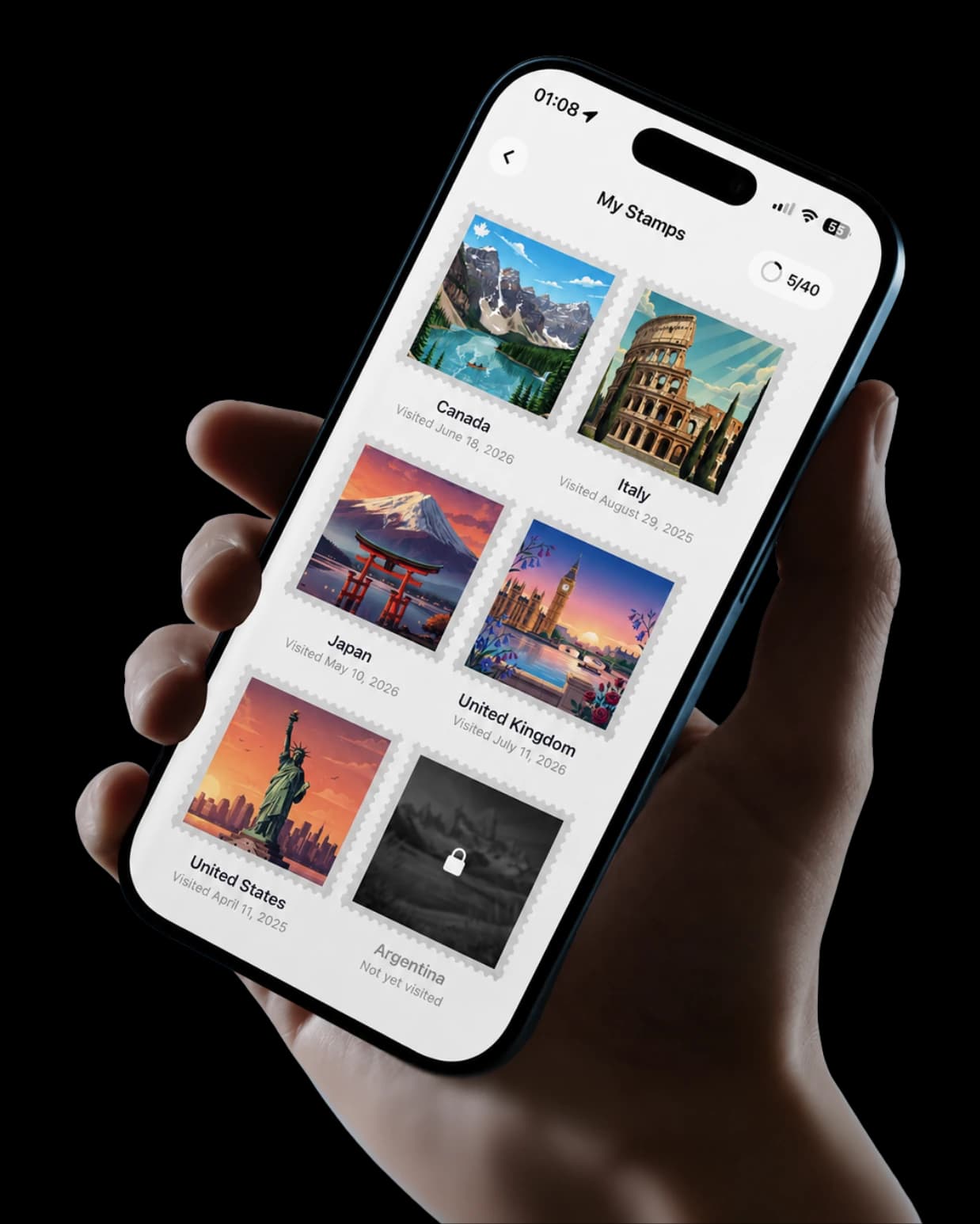
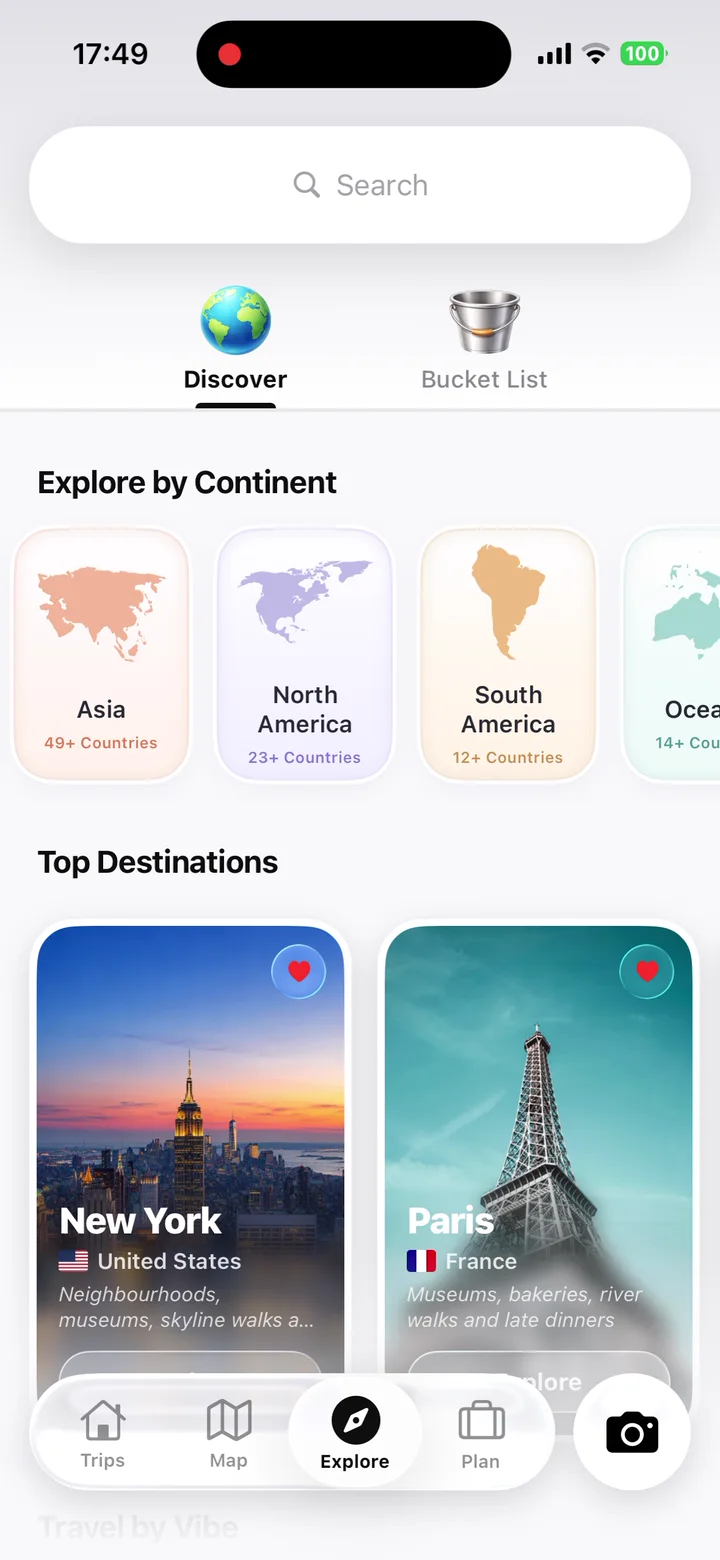
Travellers are using TripMemo to organise the camera roll, write down the details and give every journey a home they can return to.
Turn travel photos into books you'll actually look back on.

.webp&w=96&q=75&dpl=dpl_GFCXPAUSRaYiumwC2uxyqbjtXpnB)

%20copy%202.webp&w=384&q=75&dpl=dpl_GFCXPAUSRaYiumwC2uxyqbjtXpnB)
%20copy%203.webp&w=384&q=75&dpl=dpl_GFCXPAUSRaYiumwC2uxyqbjtXpnB)