Countryle
Guess the mystery country, one attribute at a time
A new mystery country every day
Six attributes. One country.
Countryle is a daily country guessing game where every answer reveals six geographic clues: continent, hemisphere, population, area, climate zone and land borders. Follow the exact matches and higher-or-lower arrows to identify today’s mystery country in six guesses.
6
guesses
6
clues each
81
fair answers
∞
unlimited play
How to play Countryle
Read the world between the clues
Begin anywhere
Guess any country from the searchable list to reveal the first row.
Build a profile
Green attributes match. Population and area arrows point toward the target.
Find it in six
Combine all six attributes to narrow the world to one answer.
A strategy for solving Countryle
Start with a large, well-known country whose geography you can use as an anchor. A guess such as France, Brazil or India usually provides useful comparisons across several attributes. An exact continent match immediately removes most of the world, while hemisphere and climate zone divide the remaining possibilities again.
Population and area work like directional signposts. If both arrows point up, look for a country that is more populous and physically larger than your guess. If population points up but area points down, favour dense countries. The land-border count is especially powerful once you know the continent: an island has zero, while a continental crossroads may have many.
Data and methodology: population estimates follow the project’s reviewed UN World Population Prospects-style dataset; total area uses standard square-kilometre figures; sovereign-state land borders use one documented adjacency model; and hemisphere and broad climate zone are derived from reviewed country centroids. The answer pool includes only countries with complete data. Last reviewed .
Countryle tests multiple attributes rather than pure distance. For hot-and-cold map feedback, play Globle. For silhouettes, try Guess the Country, or browse every daily geography game.
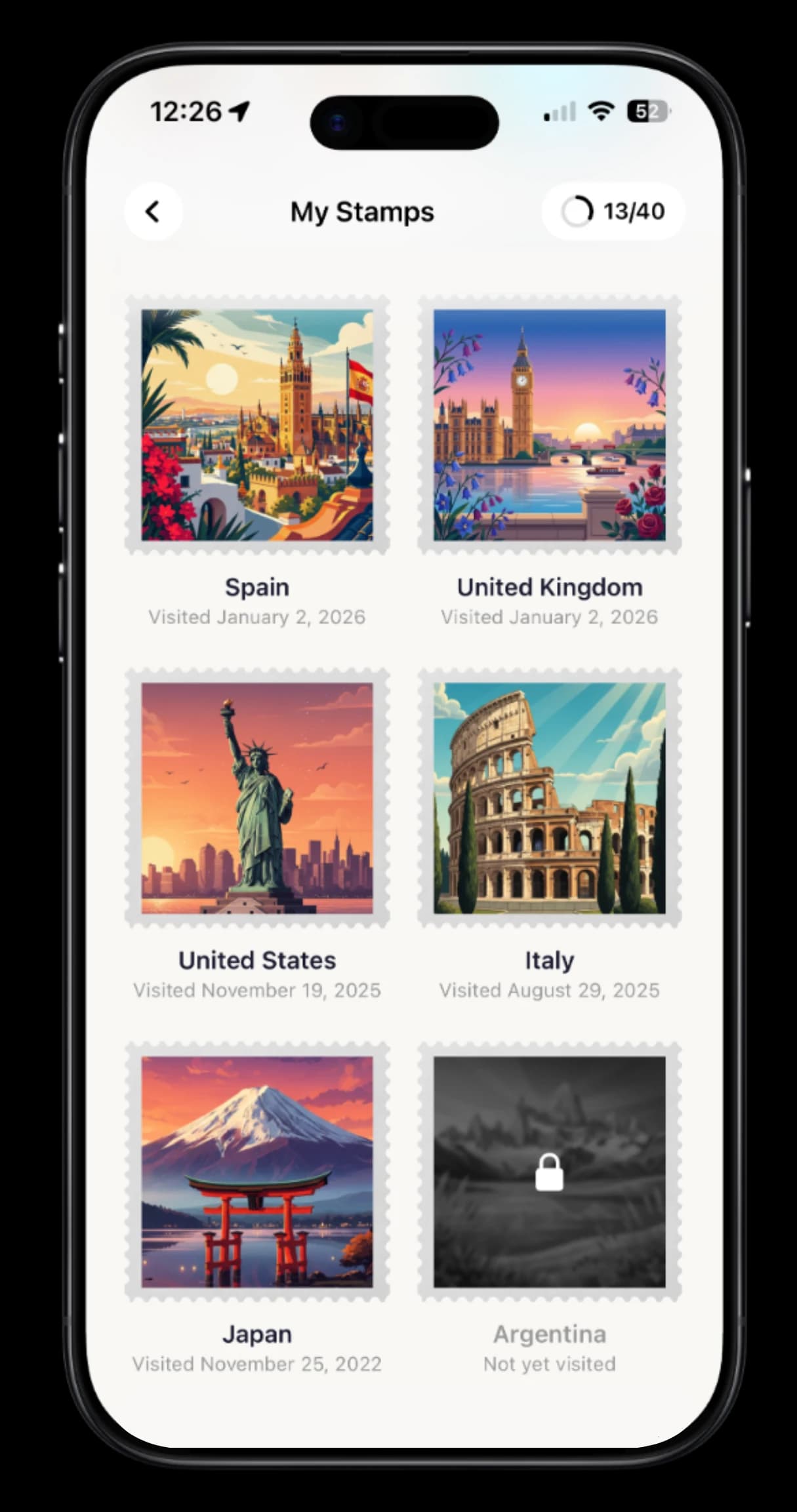
Remember every country you explore
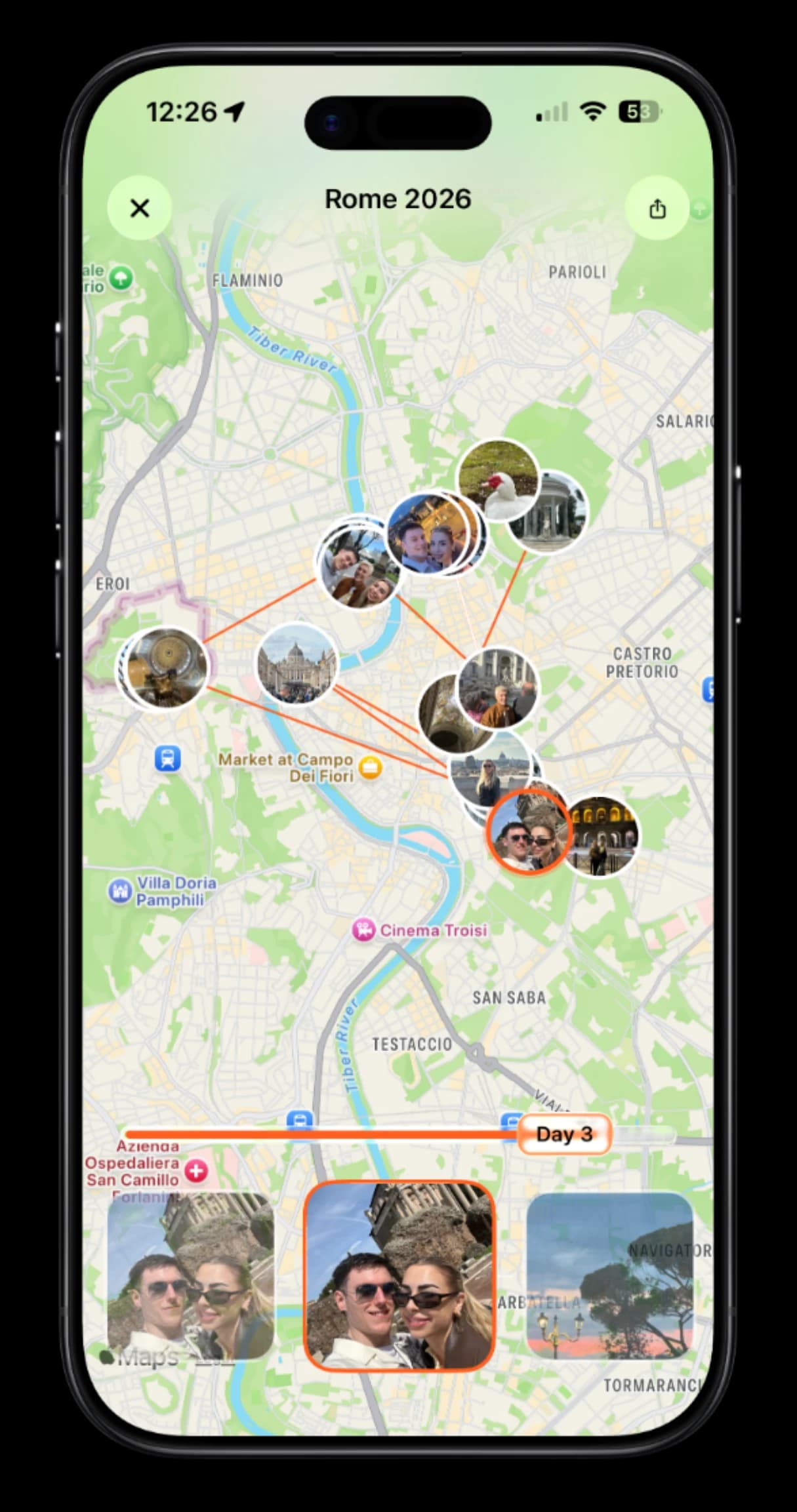
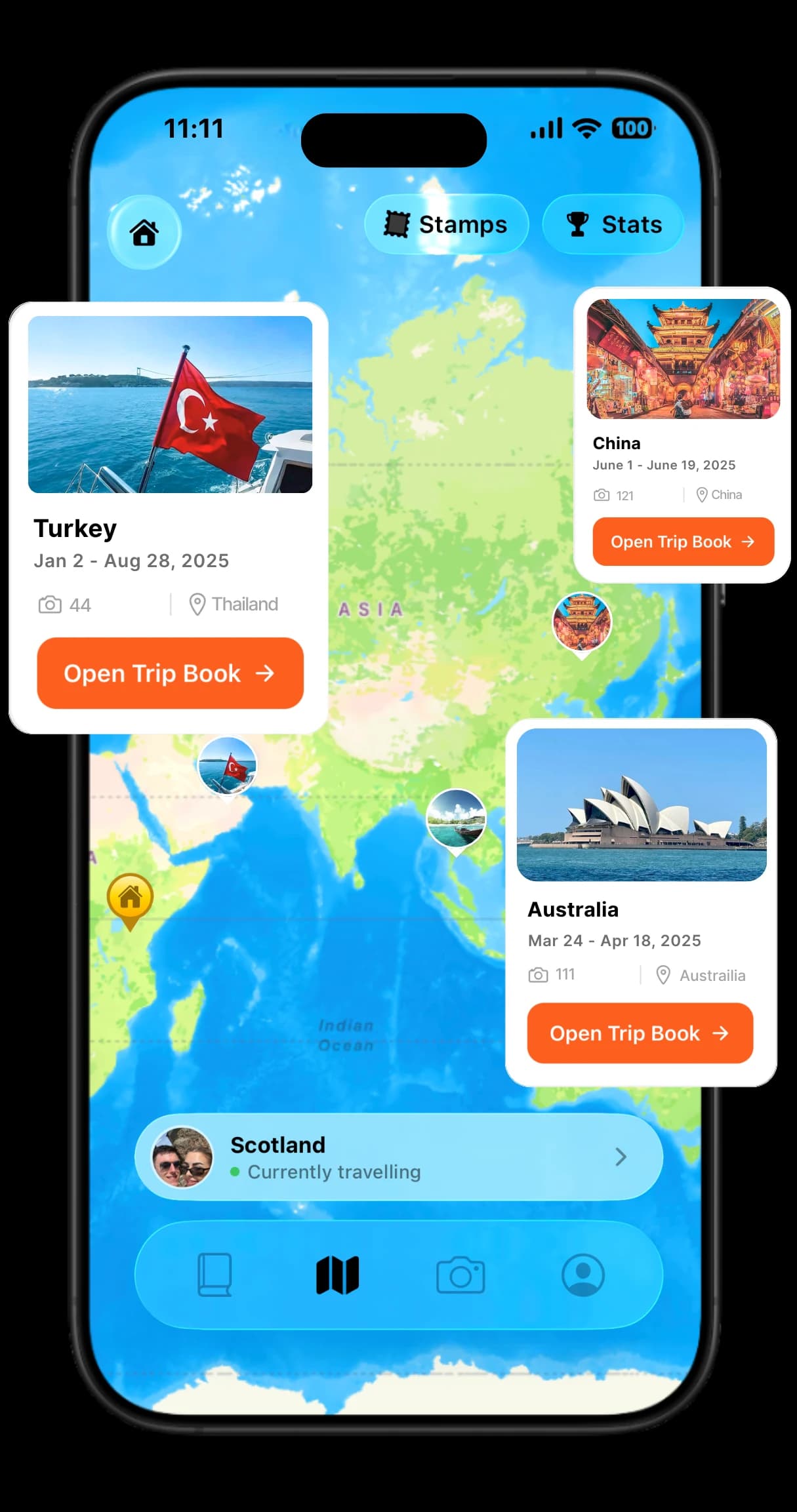
Turn the journey into a beautiful TripBook
Bring photos, routes and daily memories together in TripMemo, then share the complete travel story with the people you love.
- Create a TripBook for every adventure
- Keep routes, photos and memories together
- Share the complete journey beautifully
.webp&w=96&q=75&dpl=dpl_J4ztBiaYnp2yHjUocpYhNwGrJvXE) Get the App
Get the App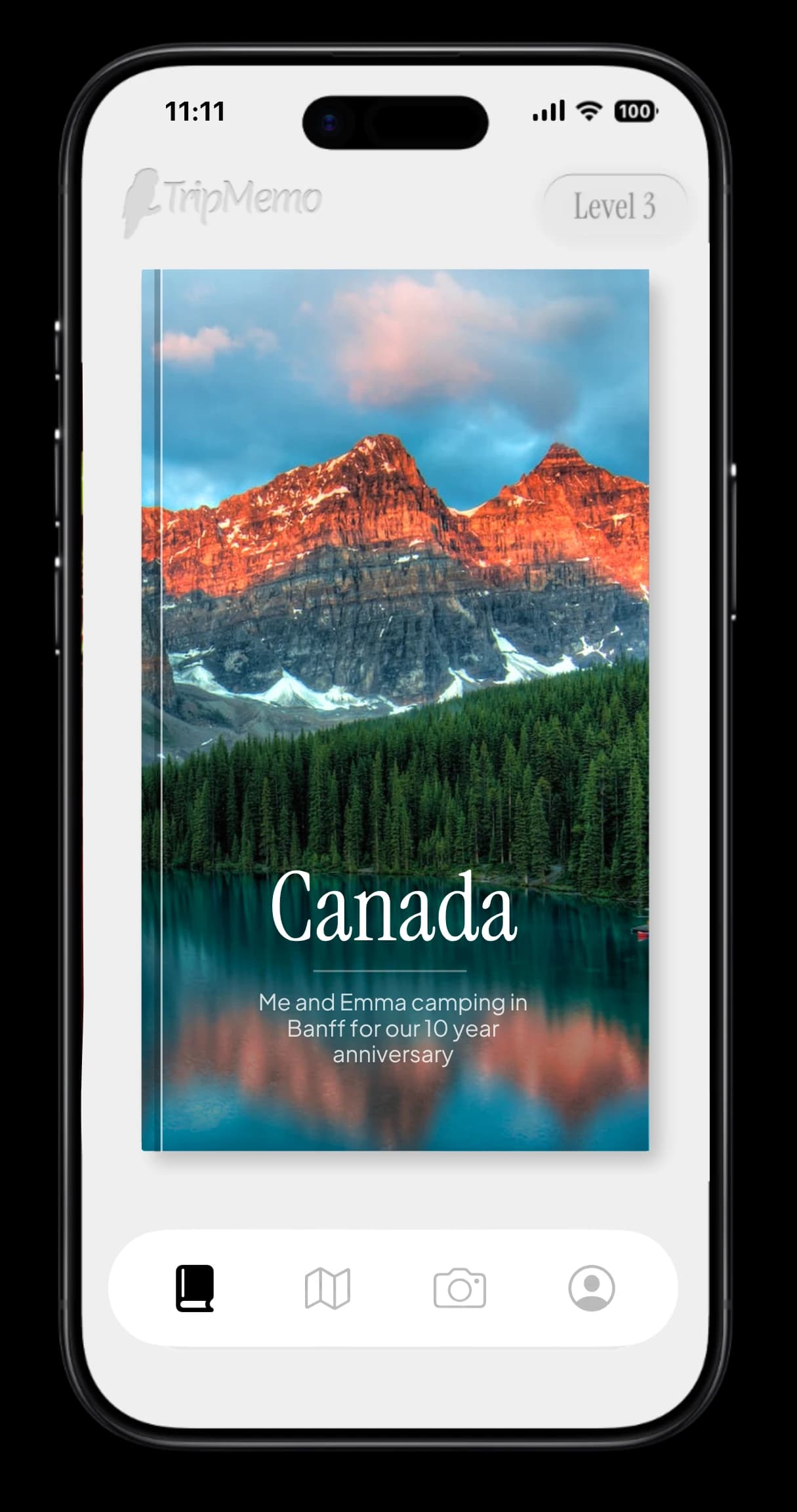
More daily games
Keep exploring



FAQ
Countryle questions
What is Countryle?
Countryle is a daily country guessing game. You have six guesses to find one mystery country, and every guess reveals comparisons for continent, hemisphere, population, area, climate zone and number of land borders.
What do the arrows mean in Countryle?
An upward arrow means the mystery country has a higher population or larger area than your guess. A downward arrow means the target is lower or smaller. A green card indicates an exact attribute match.
Is there a Countryle unlimited mode?
Yes. Complete the shared daily challenge, or choose Countryle unlimited at any time, to practise with a new mystery country each round.
How is the climate clue calculated?
The game uses the geographic latitude of each country’s reviewed centroid to place it in a consistent tropical, subtropical, temperate or cool latitude-based climate zone. This is a broad geographic clue, not a weather forecast.
Which countries can appear?
The answer pool focuses on 81 recognisable countries with complete, consistently sourced population, area, centroid and land-border data. This keeps every comparison clear and avoids unfair or ambiguous clues.