

Start with the narrowest category
A precise group such as countries crossed by the Equator is usually safer than a broad group such as warm destinations.

Find the link. Build the groups.
Outsmart the board.
Daily category-matching puzzle
Destination Connections is a free daily puzzle where you sort 16 countries, cities, flags and travel clues into four connected groups of four. The categories are deliberately curated, overlap is part of the challenge, and you have four mistakes to solve the whole board.
16
clue tiles
4
hidden groups
4
mistakes allowed
∞
practice boards
How to play
Look for countries, cities or terms that might share a precise geographic property.
Tap four related tiles and submit. A correct group locks together and reveals its connection.
Find all four groups before four mistakes, then share your spoiler-free colour grid.
Most geography games ask for one fact at a time: identify a flag, locate a country or recall a capital. Destination Connections asks a different question. Can you recognize the relationship between several places while ignoring convincing decoys? A city might fit a river group, an Olympic-host group and a capital-city group, but only one arrangement solves the complete board.
The best strategy is to identify the most specific connection first. Four Nordic countries are safer than four places that happen to be islands. Before submitting, name the category precisely and check that every selected tile satisfies it in the same way. When the game says “one away,” three selected tiles form a real group and one is the intruder.
Every launch puzzle is curated rather than assembled randomly. Groups are checked for factual accuracy, unique tile labels and a defensible shared property. Intentional overlap creates difficulty, but the final four groups must form one complete solution. The library covers countries, cities, borders, flags, rivers, mountains, islands and place-name patterns. Puzzle content last reviewed .
This page targets the category-matching intent specifically, so it does not replace the multiple-choice travel trivia quiz, the country-distance mechanic in Globle, or the complete collection of daily geography games. Destination Connections is independently created by TripMemo and is not affiliated with The New York Times.
Solve smarter
Use these tactics when several countries or cities appear to belong together.
A precise group such as countries crossed by the Equator is usually safer than a broad group such as warm destinations.
Before submitting, complete the sentence: “These four places are all…” If the wording feels vague, keep looking.
Once a correct row locks in, reconsider every remaining clue. Removing four tiles often exposes the intended decoys.
Created and fact-checked by the TripMemo team. Last reviewed .
Connect the places you have been
Bring photos, routes and memories from every destination together in a shareable digital travel book.
.webp&w=96&q=75&dpl=dpl_DuUnmB8vZDDqTVLdJhFLj7iVWRwY) Get the App
Get the App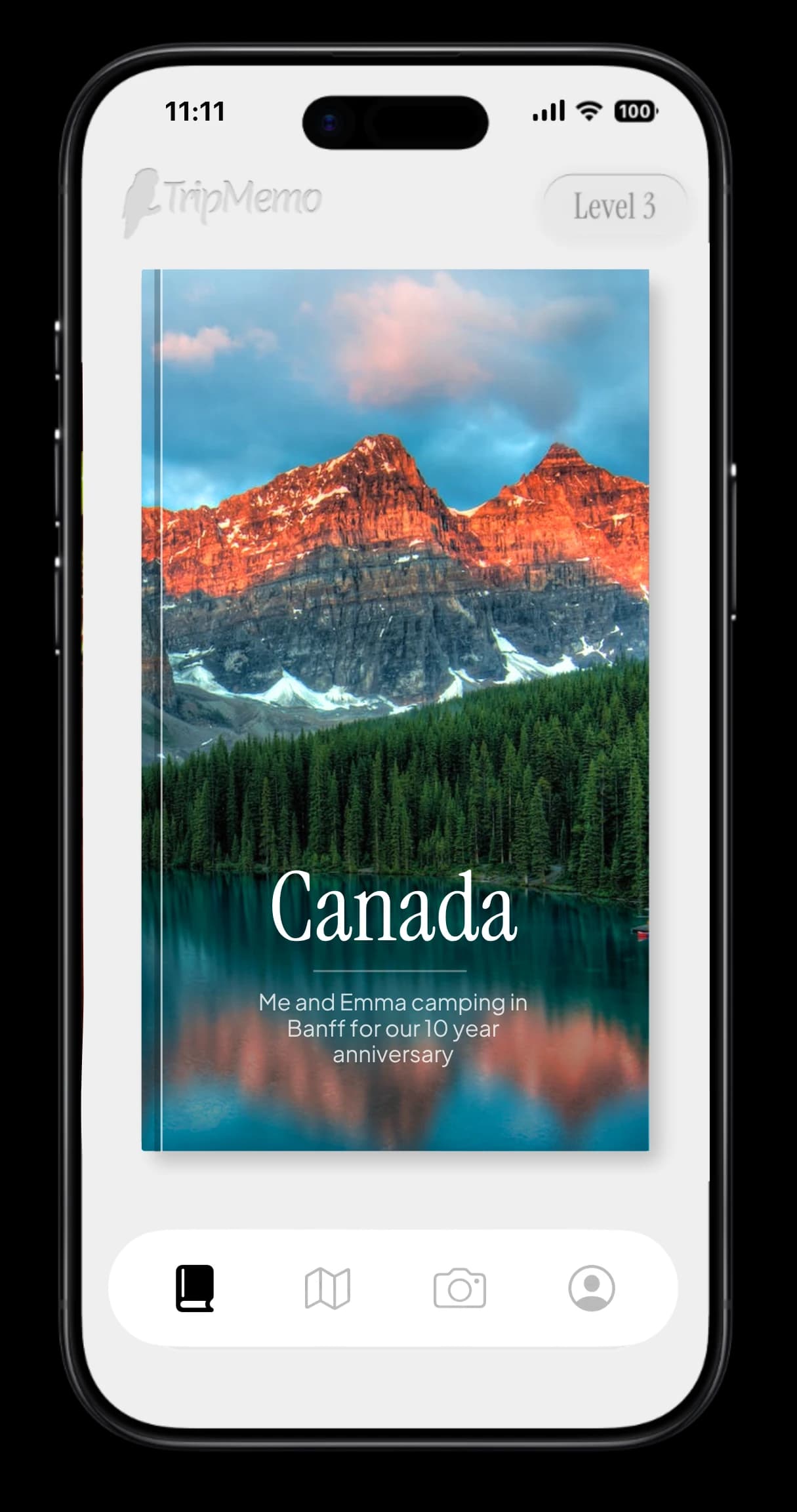
FAQ
Destination Connections is a daily category-matching puzzle. You sort 16 countries, cities, landmarks and travel terms into four hidden groups of four.
Select four tiles that share one precise destination connection, then submit the group. Correct groups lock into a coloured row. You can make up to four mistakes.
Yes. The daily puzzle and unlimited practice mode are free to play without an account.
Yes. Everyone receives the same curated daily puzzle, making spoiler-free results easy to compare and share.
Yes. Unlimited practice lets you play another curated destination board after the daily challenge.
Groups can involve countries, capital cities, flags, borders, rivers, islands, mountains, place names and other world geography themes.
One away means three of your four selected tiles belong to the same correct group. Replace one tile and try again.
No. The launch puzzle library is deliberately curated and checked for factual accuracy, clear group definitions and fair overlap between clues.
No. Destination Connections is an independent TripMemo travel game using the familiar category-matching puzzle format. It is not affiliated with or endorsed by The New York Times.
Yes. The game is designed mobile-first with large tiles, safe-area spacing, touch feedback and a full-screen board.


