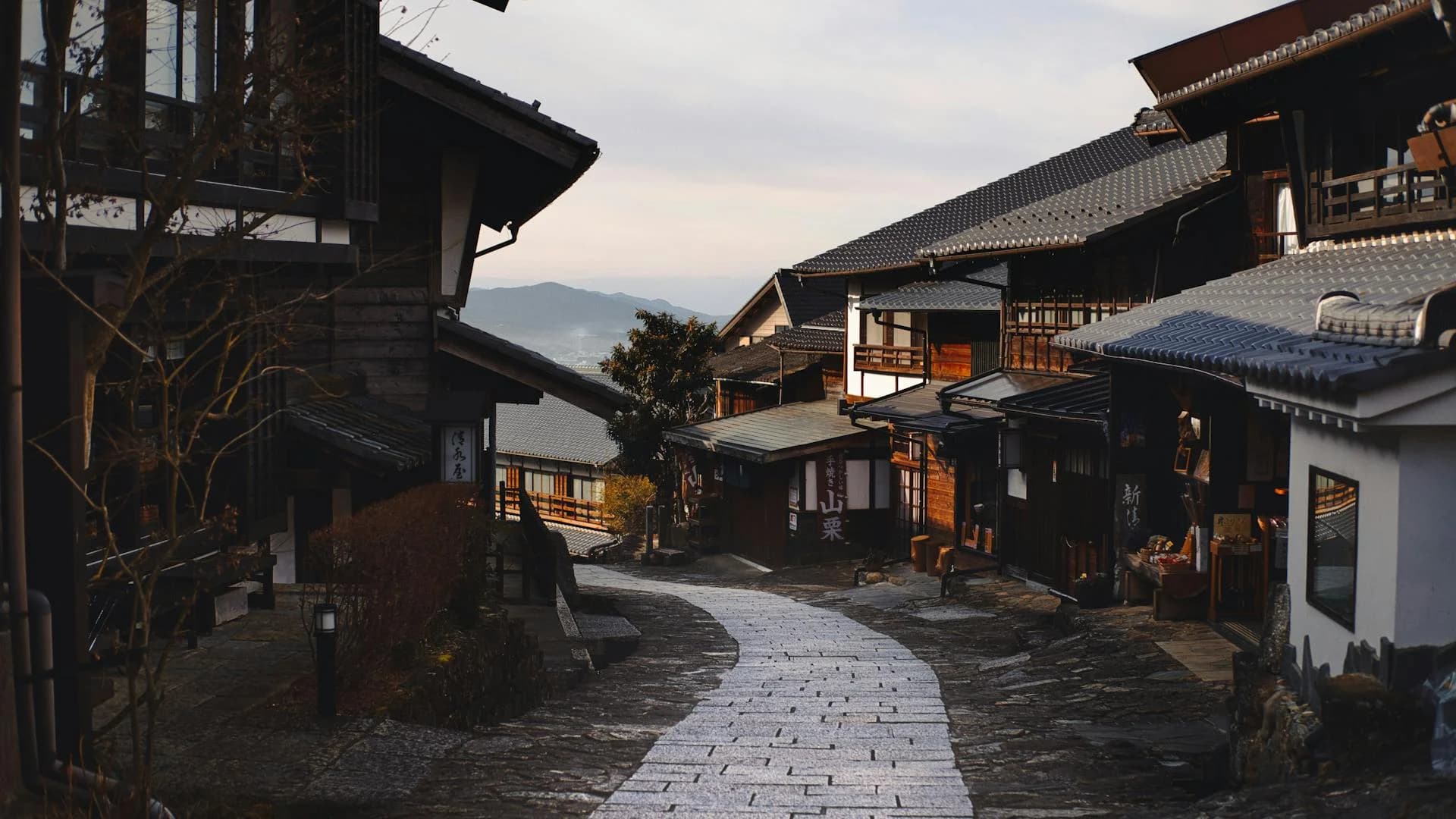
Kyoto
The heart of traditional Japan
.webp&w=96&q=75&dpl=dpl_5LiWpjAxVHcJfxZ5FqYxsrCPPe5e)
Plan Your Trip
Kyoto Travel Tools
Interactive tools to help you plan the perfect Kyoto trip.
Writing Inspiration
Kyoto Journal Prompts
Thoughtful questions to capture the essence of your Kyoto experience.
Location-Specific
What did you feel walking through the thousands of vermillion torii gates at Fushimi Inari?
Describe the atmosphere of a Zen garden. The raked gravel, the stillness, the invitation to simply sit.
How did the bamboo forest in Arashiyama affect your senses—the light, the sound, the towering green?
Write about encountering a geisha or maiko in Gion. What surprised you about the moment?
Sensory Details
Describe the experience of a traditional tea ceremony. The precision, the silence, the taste.
How did the changing seasons show themselves in Kyoto? Cherry blossoms, maple leaves, or the stark beauty of winter?
Memory Triggers
If you could bottle one moment of stillness from Kyoto, which would it be?
Which meal connected you most deeply to Japanese culture? Describe every detail.
Write a letter to your future self about what Kyoto taught you about slowing down.
What would you tell someone expecting Kyoto to be a "tourist trap" about ancient temples?
Reflection
How has Kyoto changed your understanding of the relationship between beauty and impermanence?
What did the concept of "wabi-sabi" (beauty in imperfection) mean to you after visiting Kyoto?
If you lived here, what daily ritual would you adopt from Japanese culture?
What part of Kyoto will you carry with you forever?
Photography Guide
Kyoto Photo Checklist
Essential shots to capture, with tips from photographers who know the city.
Fushimi Inari torii gates tunnel
Arrive before 7am for empty gates; shoot looking up the mountain, not down
Kinkaku-ji (Golden Pavilion) reflection
Cloudy days give better reflections; avoid midday sun glare
Arashiyama Bamboo Grove path
Dawn or dusk for fewer people and magical light filtering through
Kiyomizu-dera temple platform
The wooden stage with city views; cherry blossom or fall colors ideal
Zen rock garden at Ryoan-ji
Early morning for contemplative quiet; sit and compose slowly
Gion district traditional machiya
Evening when lanterns light up and geisha may pass by
Geisha or maiko walking in Gion
Never block their path; photograph from a respectful distance
Traditional kaiseki meal presentation
Ask permission; the artistry of Japanese cuisine deserves documentation
Moss garden close-up detail
After rain the greens are most vibrant; Saiho-ji temple is famous for moss
Tofu shop or traditional craft workshop
Nishiki Market and surrounding streets have generations-old shops
Philosopher's Path canal
Cherry blossom season is iconic; also beautiful with autumn leaves
Machiya townhouse architecture
Look for the wooden lattice windows and narrow facades
Places to Remember
Your Kyoto Memory Map
Pin these locations in TripMemo and use the prompts to capture meaningful moments.
Fushimi Inari Shrine
landmark
The thousand vermillion gates
How far did you climb? What changed as you ascended?
Your Temple Moment
experience
The temple that moved you most
What made this one different from the others?
Gion Evening Walk
experience
Wandering the geisha district
What sounds and sights defined this walk?
Nishiki Market Discovery
food
Kyoto's kitchen
What did you taste that surprised you?
Bamboo Grove Moment
landmark
Walking through towering bamboo
How did the light and sound change inside the grove?
Tea Ceremony Experience
experience
If you participated in chanoyu
What did the ritual teach you about presence?
Your Quiet Garden
hidden gem
A temple garden with few tourists
How long did you sit? What did you think about?
Machiya Stay or Visit
personal
Traditional townhouse experience
What was it like to be inside traditional Japanese architecture?
Seasonal Moment
personal
Cherry blossoms, maples, or snow
How did the season transform what you saw?
Your "Only in Kyoto" Moment
personal
When ancient Japan felt present
What happened that felt timeless?
Inspiration
Sample Journal Entries
See how other travelers captured their Kyoto experiences.
Before the World Wakes Up
Fushimi Inari Shrine, Kyoto
Set the alarm for 5am. Worth every minute of lost sleep. The torii gates at dawn belong to the foxes, the crows, and the few pilgrims climbing in silence. No crowds. No selfie sticks. Just the rhythmic tunnel of vermillion stretching up the mountain, each gate casting shadows on the next. I climbed for two hours before meeting more than a dozen people. At the summit, an old woman was praying at a tiny shrine. She smiled at me and said something in Japanese I didn't understand. It didn't matter. We both knew why we were there.
Photo Captions
- “Dawn at Fushimi Inari. This is why you wake up early.”
- “A thousand gates and a thousand shades of red.”
- “The foxes watch over everything here.”
Learning to Be Still
Ryoan-ji Temple, Kyoto
Fifteen stones. Raked gravel. Nothing else. I didn't understand at first—why travel thousands of miles to look at rocks? Then I sat down. Ten minutes passed. Twenty. The stones didn't change but I did. My breathing slowed. My thoughts quieted. I started noticing things: how the gravel ripples suggested water, how no position lets you see all fifteen stones at once, how the monks had been raking this pattern for five hundred years. The garden doesn't give you answers. It gives you space to find your own.
Photo Captions
- “Fifteen stones. One hour. Everything I needed.”
- “Five hundred years of raking this same pattern.”
- “The garden that teaches you to stop looking for meaning.”
Ready to write your own Kyoto story?
Start Journaling with TripMemoDocument Your Journey
What to Journal in Kyoto
Kyoto offers countless moments worth capturing. Here are the experiences that make the best travel journal entries.
Ancient temples
Traditional gardens
Geisha districts
Zen meditation
TripMemo for Kyoto
The perfect travel journal companion
- Works offline throughout your trip
- Auto-organize thousands of photos
- See your Kyoto journey on a map
- Collaborate with travel companions
.webp&w=64&q=75&dpl=dpl_5LiWpjAxVHcJfxZ5FqYxsrCPPe5e) Download TripMemo
Download TripMemoTravel Style
Kyoto is Perfect for

Kyoto Travel FAQ
Common Questions About Kyoto
What's the best time to visit Kyoto?
The best months to visit Kyoto are Sep, Jun, May when you'll find ideal weather and manageable crowds. Peak season is Mar, Apr, May, while Jun, Sep offers a good balance of weather and fewer tourists. Climate data sourced from historical weather records.
View data sourceHow much does it cost to visit Kyoto per day?
Daily costs in Kyoto range from ¥7,000 for budget travelers (hostels, street food) to ¥35.0K for comfortable travel (4-star hotels, nice restaurants). Budget estimates based on crowdsourced cost data. Use our budget calculator for a detailed breakdown.
View data sourceWhat should I journal about in Kyoto?
Kyoto offers rich journaling opportunities. Focus on Ancient temples, Traditional gardens, Geisha districts. TripMemo helps you organize photos by location and create beautiful day-by-day entries of your journey.
How do I document a Kyoto trip with TripMemo?
TripMemo is perfect for Kyoto. Create a TripBook, add photos and notes daily, and watch your journey unfold on an interactive map. The app works offline—essential for areas with spotty WiFi—and organizes thousands of photos automatically by date and location.
Ready to Explore Kyoto?
Document your Kyoto journey with TripMemo. Create beautiful TripBooks, collaborate with travel companions, and relive your adventure for years to come.