01
The meaningful stops
Viewpoints, cafés, trailheads, motels and unplanned pull-offs. Save the places that changed the day, not every point the car passed.
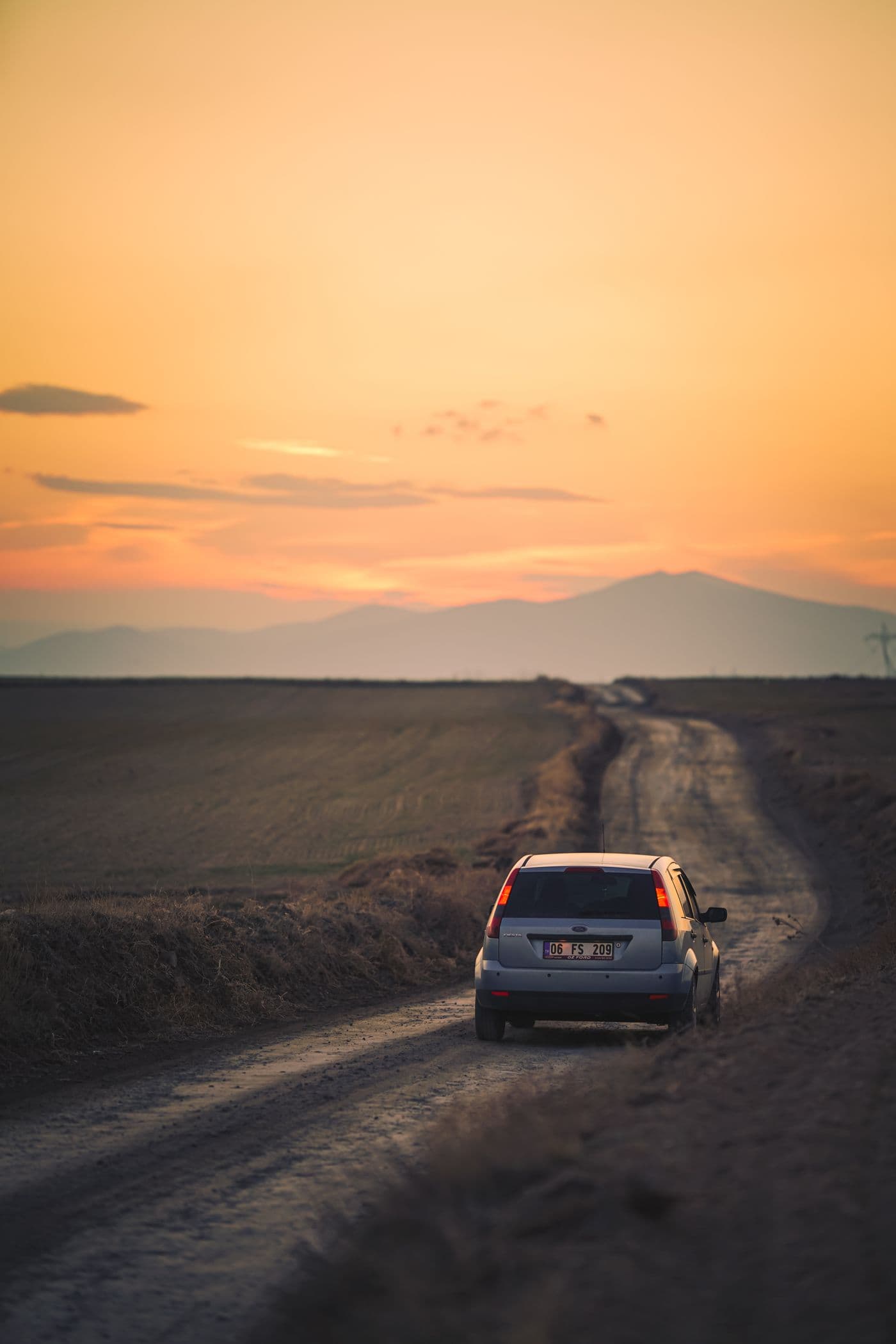
Road trip journaling guide
Road trip journaling guide
A practical system for saving the photographs, places, voices and tiny detours that make a road trip worth remembering, without turning the journey into homework.
The route provides structure. The memories come from what happened around it.
Viewpoints, cafés, trailheads, motels and unplanned pull-offs. Save the places that changed the day, not every point the car passed.
Choose images that unlock a scene. A single imperfect photograph can carry more memory than fifteen near-duplicates.
Keep the joke, observation, disagreement or recommendation that made sense only to the people travelling together.
Record the song, local radio station, podcast or stretch of silence that became attached to the road.
Ask each passenger for one photograph or sentence. The driver should not become the only archivist.
Write what the camera missed: the smell after rain, the wrong turn, the person you met or why you stopped.
Use the same small sequence each day so capturing the trip never competes with experiencing it.
Decide before leaving where the trip’s photographs, notes and places will live. One agreed home prevents the story fragmenting across camera rolls and chats.
Choose the image that best brings back the stop or day. Keep additional photographs when they add a genuinely different moment or perspective.
Use the location as context, not as surveillance. Pin the places you deliberately want in the story rather than continuously recording every road.
Avoid generic captions such as ‘great day’. Record what surprised you, what someone said, what went wrong or what made the stop worth taking.
Invite one person in the car to add their version. Their photograph or sentence will often preserve a part of the day you did not notice.
The goal is not completeness. Once the photograph, place and words can bring the moment back, return your attention to the trip.
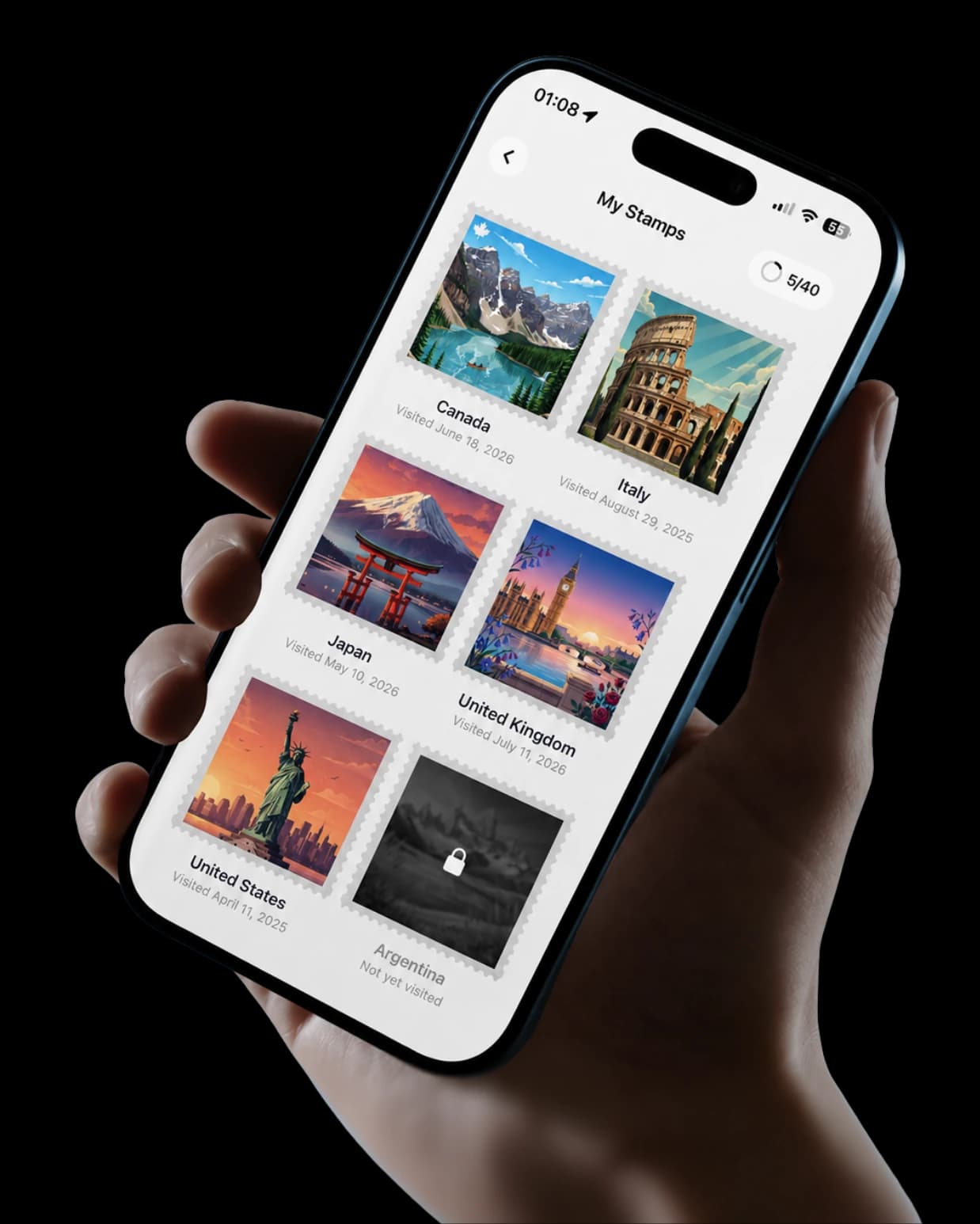
One app. Your entire trip.
Use a prompt when the day feels memorable but ‘what did we do?’ produces only a list.
For unexpected detours and discoveries.
For jokes, opinions and passenger voices.
For connecting a photograph to the decision behind it.
For music, weather, tyres, silence and local radio.
For the diner sign, petrol-station snack or roadside dog.
For delays, reroutes and flexible planning.
For a future bucket list built from experience.
For capturing different perspectives of one moment.
For emotion, context and the story outside the frame.
For roadside cafés, picnics and local recommendations.
For the emotional high point of the day.
For practical details worth preserving.
For the visual cue that belongs only to this route.
For the conditions that reshaped the day.
For noticing memories you did not capture yourself.
For the place, person or detail beyond the obvious route.
For useful lessons from the real journey.
For finding the idea that holds the whole day together.
A shared journal works best when contribution is simple, optional and clearly divided from the work of driving.
Choose based on the record you want to make, not an assumption that one format is more authentic.
Method
Method
Method
Specific details make a short entry feel complete. This example uses fewer than one hundred words.
We left the main road because Maya saw a hand-painted sign for the beach. The café was closing, but the owner gave us the last three slices of orange cake and pointed us towards the cliff path. The photograph shows the sea. It does not show the windows down, the paper bag between us, or Sam insisting the detour was his idea.
Saved with: one place · two photographs · three passenger perspectives
Navigation and journaling are separate jobs. Prepare both while connected.
Record the route only as context. The most valuable details are usually the unexpected stop, the person who noticed it, one photograph, what was said in the car, the weather, the soundtrack and why the moment mattered. A short specific entry is more useful than a generic summary of the whole day.
Use a rhythm that does not compete with the journey. Capture a few details at stops or after parking, then make one short entry at the end of the day. If a day is too full, save the photographs and add context within the next day or two.
Yes. Agree on one shared place for the trip and let each passenger add their own photographs, captions and observations. Different people notice different parts of the same drive, so a collaborative journal is often richer than one person’s account.
Prepare your navigation separately by downloading the necessary map areas, and use a journal that can save photographs and notes locally. Capture the details while they are fresh, then let them sync after the phone reconnects.
Paper is excellent for sketches, handwriting and physical ephemera. Digital journals are easier for photographs, maps, search, collaboration and offline capture. Many travellers use both: quick digital notes during the drive and selected paper pages after parking.
Start with the camera roll and group photographs by day. Use photo dates and place information as prompts, then add only the context the images cannot show: names, conversations, detours, recommendations and how each stop felt.
Save the drives, shape the days, then keep every stop and story.
Travellers are using TripMemo to organise the camera roll, write down the details and give every journey a home they can return to.
Turn travel photos into books you'll actually look back on.

.webp&w=96&q=75&dpl=dpl_4GioSqzQAagpNBvytKxJ8dAP3739)



%20copy%202.webp&w=384&q=75&dpl=dpl_4GioSqzQAagpNBvytKxJ8dAP3739)
%20copy%203.webp&w=384&q=75&dpl=dpl_4GioSqzQAagpNBvytKxJ8dAP3739)